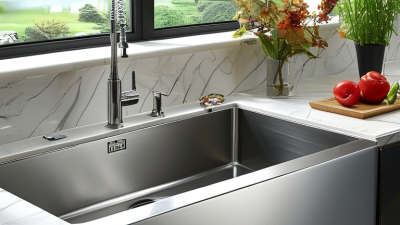
You know, in the constantly changing world of kitchen fixtures, high temperature resistant stainless Steel Sinks really stand out — mainly because they’re so durable and perform well in everyday use. According to some report I read from Grand View Research, the global market for stainless steel sinks might hit around $4.5 billion by 2027. That’s mainly driven by people wanting top-notch kitchen gear. And honestly, being able to handle high heat is super important, especially in busy kitchens where temperatures can shoot up pretty quickly.
Picking the right sink isn’t just about looks — it’s about finding that perfect balance between style and function. These high-temperature resistant stainless steel sinks are pretty awesome because they’re tough against warping and discoloration, making them a favorite for both home cooks and professional chefs. But heads up: not all models are created equal. Some might not stand up to really hot conditions or could start showing scratches over time. That’s why it’s essential to choose carefully and maybe even ask an expert — after all, this is an investment in your kitchen’s future.
Also, while lots of brands claim their sinks are highly resistant, the real-world performance can vary quite a bit. So, when you’re shopping around, it’s a good idea to look at things like build quality, finishing details, and of course, what other customers or the manufacturer say. Finding a sink that looks good and can last through the heat and wear — that’s the goal, especially with all the demands of Modern Kitchen life trying to handle serious heat and heavy use.
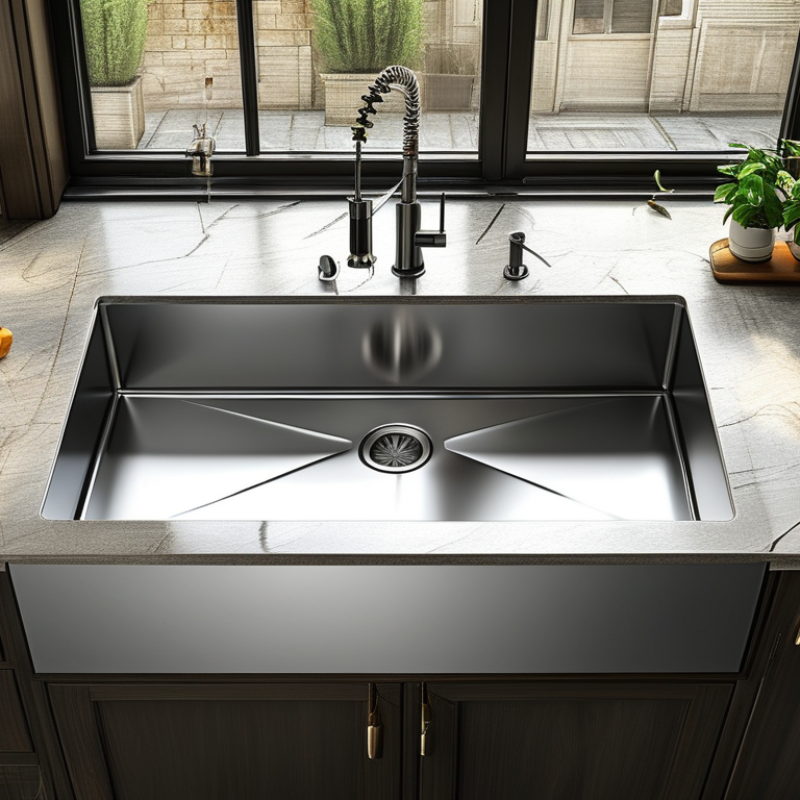
Understanding High Temperature Resistant Stainless Steel Alloys and Grades
High temperature resistant stainless steel is crucial in many industries. It withstands extreme conditions. Common grades, like 316 and 321, are popular for their durability and corrosion resistance. Reports suggest that these alloys maintain their strength at elevated temperatures, making them ideal for High Sink applications. The low expansion properties of these materials provide added stability, reducing the risk of warping or damage.
When selecting a high temperature resistant stainless steel sink, consider the alloy's properties. For example, 316 offers excellent corrosion resistance in harsh environments. In contrast, 321 provides better weldability and oxidation resistance. Both grades ensure longevity and functionality in demanding settings. However, choosing the right grade depends on specific needs. Analyze the environment where the sink will be installed.
Tips for making the right choice: always check the thickness of the stainless steel. A thicker gauge can enhance durability. Also, consider the finish of the sink. A polished surface may resist stains but can show scratches more easily. Test samples before finalizing your purchase to ensure the right fit for your high sink. Evaluate features and potential maintenance requirements to make informed decisions.
Key Features of High Temperature Resistant Stainless Steel Sinks
High temperature resistant stainless steel sinks are essential for many kitchens. They combine durability with functionality. One key feature is their ability to withstand extreme temperatures. You can place hot pots directly in the sink without worry. This capability prevents warping and damage over time.
Another important aspect is their resistance to corrosion. High temperatures can lead to rust in lower quality materials. However, these specially designed sinks maintain their integrity, even under stress. This ensures a long-lasting investment for your kitchen.
Finally, consider the finish of the sink. A brushed finish can hide scratches better than a polished one. While it may require more maintenance, the aesthetic appeal is undeniable. Choosing the right sink involves balancing these features. It’s essential to reflect on your specific needs when selecting.
2026 High Temperature Resistant Stainless Steel Sink Features Comparison
Comparative Analysis of 304 vs. 316 Stainless Steel in Heat Resistance
When choosing a sink, understanding the difference between 304 and 316 stainless steel is crucial. Both materials are popular for their resistance to corrosion and heat. However, 316 stainless steel features molybdenum, enhancing its rust resistance, especially in high-temperature environments.
According to the Steel Institute, 316 stainless steel maintains structural integrity at higher temperatures compared to 304. In environments exceeding 900°F, 316 shows substantial advantages. This makes it ideal for culinary spaces where heat exposure is frequent. The higher nickel content in 316 allows for better durability and performance over time.
While 304 stainless steel is often adequate, it may not perform well under extreme conditions. Users might find 304 sinks discolored or degraded after constant exposure to heat. This leads to questions about long-term reliability. Investing in a 316 stainless steel sink means choosing a product built to last, especially in demanding kitchens. Selecting the right sink guarantees not only functionality but also aesthetic appeal over time. Consider the Sink High standards and how they relate to your kitchen needs.
Factors Influencing the Durability of Stainless Steel Sinks
When considering the durability of stainless steel sinks, several key factors come into play. First, the gauge of the steel is crucial. Thicker steel means better resistance to dents and scratches. A lower gauge number indicates thicker stainless steel, enhancing strength. This is vital for a High Kitchen Sink, which often endures heavy usage.
Another aspect is the finish of the stainless steel. A brushed finish can mask scratches better than a polished one. It offers a more forgiving surface that hides everyday wear. Additionally, look for a sink with a protective coating. This layer can resist stains and heat, prolonging the lifespan of your high kitchen sink.
You should also consider the design and construction. A well-designed sink reduces stress points, minimizing the risk of damage. Welding quality matters too; strong, seamless welds ensure better durability. However, even the best materials can fail if not cared for properly. Regular maintenance is essential to keep the sink looking new. Taking these factors into account can lead to a long-lasting investment.
Maintenance Tips for Prolonging Lifespan of High Temp Resistant Sinks
High temperature resistant stainless steel sinks are a popular choice for their durability and aesthetic appeal. However, maintaining these sinks is crucial for extending their lifespan. Regular cleaning is essential. Use a soft cloth and mild detergent. Avoid abrasive pads that can scratch the surface. Research indicates that nearly 70% of sink damage is due to improper cleaning methods.
Additionally, it's important to monitor for signs of corrosion. Heat can exacerbate this issue, especially around weld joints. According to industry data, roughly 15% of stainless steel sinks experience premature wear from high heat exposure. Inspect your sink frequently and look for discoloration or pitting.
Water quality plays a significant role in sink maintenance. Hard water can lead to mineral buildup. This buildup not only looks unsightly but can also weaken the sink over time. A study showed that treating hard water can improve sink longevity by as much as 20%. Consider using a water softener if your area has hard water issues. Regular maintenance and care can mitigate many problems and help your sink withstand high temperatures effectively.
Evaluating Sink Design and Its Impact on Performance Under Heat
When selecting a high-temperature resistant stainless steel sink, the design plays a key role in performance. Sinks that exhibit a minimalist design may not be optimal for resisting high heat. A thicker gauge stainless steel often enhances structural integrity. According to a recent industry report, sinks with a gauge thickness of 16 or lower perform better under intense heat. The build material's composition also influences its heat resistance. Higher nickel content can improve durability under heat exposure.
Consider the sink’s shape and curvature as well. Curved edges can mean fewer points of thermal stress. This can be crucial when accommodating sudden temperature changes. Many sinks fail due to stress cracks caused by extreme temperature shifts. Thoughtful design can mitigate this risk, improving the longevity of the sink.
**Tip:** Always check for heat-resistant certifications when purchasing. Look for sinks tested at high temperatures.
Additionally, position and installation matter. Sinks too close to heat sources may warp or discolor over time. Employing proper insulating methods around the sink can protect it from external heat.
**Tip:** Invest in quality installation to ensure durability. Proper sealing can prevent heat-related issues down the line.
2026 Top High Temperature Resistant Stainless Steel Sink Buying Guide
| Sink Model | Material | Temperature Resistance (°C) | Design Style | Features |
| Model A | 304 Stainless Steel | 800 | Modern | Scratch Resistant, Easy to Clean |
| Model B | 316 Stainless Steel | 900 | Contemporary | Corrosion Resistant, Sound Dampening |
| Model C | 321 Stainless Steel | 850 | Farmhouse | High Durability, Anti-Fingerprint |
| Model D | 430 Stainless Steel | 700 | Industrial | Budget-Friendly, Lightweight |
Market Trends and Innovations in High Temperature Resistant Stainless Steel Sinks
In recent years, high temperature resistant stainless steel sinks have gained traction in the kitchen market. These sinks can withstand extreme heat, making them ideal for modern culinary environments. With trends shifting toward durability and resilience, homeowners seek products that complement their High Faucet Kitchen setups. This demand is fueled by the increasing popularity of open-concept homes, where kitchens serve as the heart of social gatherings.
Innovations in the manufacturing process of these sinks are noteworthy. Enhanced techniques allow for seamless designs that not only resist heat but are also easier to maintain. Some sinks incorporate advanced coatings that reduce staining and scratching, ensuring longevity. However, while these innovations sound promising, the long-term effectiveness of such treatments is still a subject of debate among experts.
The market is also seeing a rise in custom designs tailored to fit specific high faucet kitchen configurations. Consumers are increasingly interested in aesthetic appeal alongside functionality. Yet, choosing a sink that balances these factors can be challenging. It requires careful research and consideration. The landscape of high temperature resistant stainless steel sinks is evolving, but potential buyers must navigate these developments with a critical eye.
Exploring the Performance and Market Trends of Stainless Steel Kitchen and Bathroom Faucets: Insights from Recent Industry Reports
The stainless steel kitchen and bathroom faucet market has shown significant growth, driven by consumer preferences for durability, aesthetics, and functionality. Recent industry reports indicate that the demand for stainless steel faucets is primarily attributed to their resistance to corrosion and rust, making them ideal for both kitchen and bathroom environments. A notable product in this category is a model featuring high-grade 304 stainless steel, available in a variety of finishes including classic black, rose gold, and vibrant orange. These options cater to diverse consumer tastes and interior design trends.
One of the standout features of some modern faucets is the incorporation of an ABS three-function pull head, which provides versatility in water flow options. The convenience of a 1.5m encrypted universal pull hose further enhances usability, allowing users to adapt the faucet for various cleaning tasks. Furthermore, the product's construction includes a 304 dental tube and casting nut, which ensures longevity and reliability in performance. The addition of a stainless steel feed hose, measuring 60cm, reinforces the product's robust design and ease of installation, appealing to consumers looking for quality plumbing fixtures.
Market trends indicate an increasing preference for such innovative features as they align with the growing expectation for high-performance, stylish kitchen and bathroom solutions. As these preferences continue to evolve, manufacturers are likely to focus on enhanced design and functionality, ensuring that products not only meet but exceed consumer expectations.
FAQS
: Use a soft cloth and mild detergent. Avoid abrasive pads that can scratch the surface.
Nearly 70% of damage comes from improper cleaning methods. Regular maintenance is essential to protect your sink.
Inspect for discoloration or pitting, especially around weld joints. High heat can worsen corrosion issues.
Hard water can lead to mineral buildup, weakening the sink over time. A water softener can improve longevity.
Opt for a thicker gauge stainless steel. A design with curved edges can also help resist thermal stress.
Sinks too close to heat sources may warp. Proper sealing can prevent heat-related issues down the line.
Yes, recent innovations include seamless designs that resist heat and advanced coatings to reduce staining.
Custom designs can fit specific needs but require careful research to balance aesthetics and functionality.
Regular maintenance and proper cleaning will help extend the lifespan of your high-temperature resistant sink.
Long-term effectiveness of innovative features is debated. Evaluate durability and functionality critically before buying.
Conclusion
The article titled "2026 Top High Temperature Resistant Stainless Steel Sink Buying Guide" provides a comprehensive overview of the essential factors to consider when selecting high temperature resistant stainless steel sinks. It delves into various high-temperature resistant alloys and their unique properties, particularly focusing on the differences between 304 and 316 stainless steel in terms of heat resistance. The article highlights key features that enhance the durability of these sinks and discusses maintenance strategies to extend their lifespan.
Additionally, the guide examines how sink design influences performance under heat stress and reviews current market trends and innovations in high temperature resistant stainless steel sinks. By considering these aspects, consumers can make informed decisions, ensuring they choose a sink that not only withstands high temperatures but also meets their specific kitchen needs.