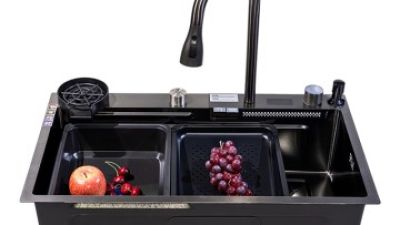
In the constantly changing world of kitchen design, picking the right sink for your kitchen can really make a difference in how the space looks and works. I remember talking to designer Laura Baker from Home Interiors Co., and she once said, 'The right sink can totally transform the heart of your home.' It’s so true! If you’re someone shopping around globally, keeping up with the latest trends can help you make smarter choices.
For 2026, the trends are pretty exciting — you’ll see everything from sleek stainless steel options to bold, colorful finishes and even new, cool materials. People are also loving features like double basins and built-in accessories, stuff that makes cooking and cleaning way easier.
That said, it’s not just about looks. The tricky part is balancing style with practicality. Sometimes, folks go for trendy sinks without thinking about how much maintenance they’ll need. Take a copper sink, for example — it looks amazing, but it also needs a bit of love to keep its shine. So, when you’re choosing, it’s worth thinking about how much time you want to spend on upkeep. Ultimately, the best sink is one that not only looks good but also fits your daily needs perfectly.
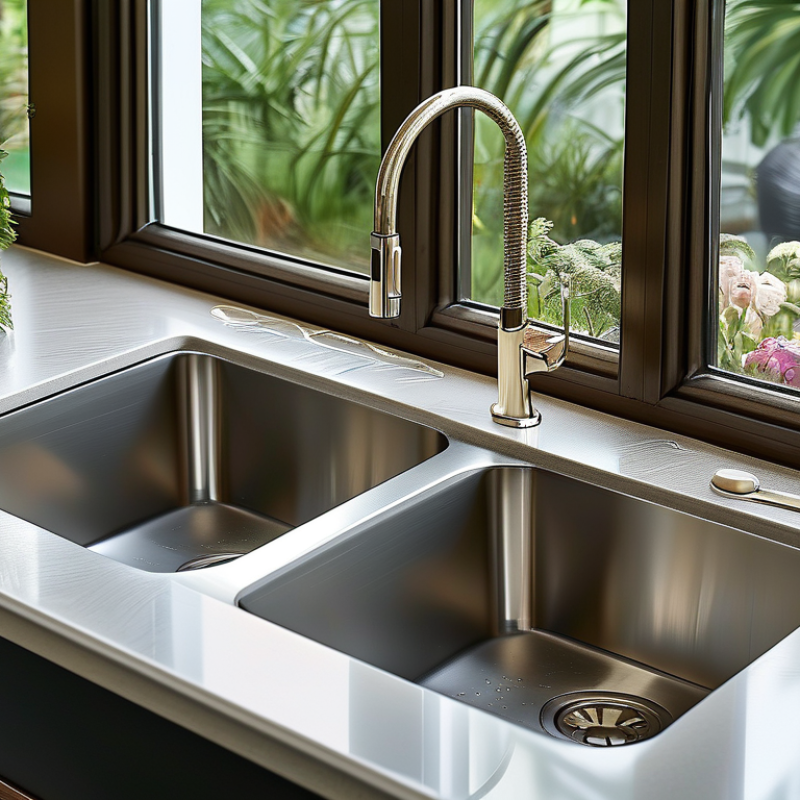
Overview of Kitchen Sink Styles for 2026
In 2026, Kitchen Sinks will feature diverse styles to meet global buyer demands. A recent report from the National Kitchen & Bath Association highlights that 45% of homeowners prioritize functionality in their kitchen sink choices. Trends show a shift toward materials like stainless steel and fireclay, which combine durability with aesthetic appeal.
When selecting a style, consider the overall design of your kitchen. A Farmhouse Sink can add charm, while a modern undermount option brings a sleek look. Choosing the rightKitchen Sink Kitchen is essential for both form and function. It's vital to evaluate the ergonomics of your sink. A poorly designed sink can lead to discomfort during daily tasks.
Tips: Ensure your sink offers enough depth. This prevents splashing and aids in washing larger pots effortlessly. Opt for a double-Basin Sink if you often multitask. It enhances efficiency, especially when preparing meals. Remember, your kitchen sink kitchen should reflect your cooking habits. Balancing style and practicality is key to a fulfilling kitchen experience.
2026 Top Kitchen Sink Styles Analysis
Popular Materials Used in Kitchen Sink Designs
When choosing a kitchen sink, materials play a crucial role in both functionality and aesthetics. Stainless steel remains a top choice, accounting for about 60% of the market share. This metal is durable, resistant to rust and stains, which makes it ideal for busy kitchens. However, it can scratch easily, requiring regular maintenance to maintain its sleek appearance.
Another popular material is fireclay, known for its ability to withstand high heat and heavy use. Its smooth surface is easy to clean and resists chipping. Yet, fireclay sinks can be quite heavy, often necessitating reinforced cabinetry. Granite composite is also gaining traction due to its mix of natural stone and resin. With a variety of colors, it allows for creative designs, but it may be prone to discoloration over time.
Homeowners must also consider how the choice of material pairs with fixtures like the Kitchen Faucet Kitchen Faucet. The style and finish should complement the sink's material for a cohesive look. Additionally, it's worth noting that while certain materials offer robustness, they might come with a higher price tag. Balancing budget and style is key in the decision-making process.
Traditional vs. Modern Kitchen Sink Aesthetics
In the realm of kitchen design, traditional and modern aesthetics create a fascinating contrast. Traditional kitchen sinks often feature classic materials like porcelain or copper. These sinks embody timeless elegance with intricate patterns or farmhouse designs. Homeowners appreciate the warmth they bring to a kitchen. However, cleaning can be a hassle, demanding regular maintenance to sustain their beauty.
On the other hand, modern kitchen sinks prioritize functionality and sleek design. Stainless steel and composite materials offer a minimalist look and easy upkeep. Their clean lines blend seamlessly with contemporary kitchen layouts. Still, some may feel modern sinks lack the character found in traditional styles. Individuals might grapple with the decision: choose style or practicality? Kitchen By Kitchen, buyers can explore different designs that fit personal preferences and lifestyles. Balancing these two aesthetics can lead to a unique and personalized kitchen space.
Functionality Features to Look for in Kitchen Sinks
When choosing a kitchen sink, functionality is paramount. Consider the material first. Stainless steel and composite materials resist stains and scratches. They offer durability for busy kitchens. A deep sink can accommodate large pots. This is crucial for meal prep or cleanup.
Next, reflect on the faucet type. Pull-down or pull-out faucets enhance usability. They provide flexibility when rinsing vegetables. Look for features like a spray function. This can simplify daily tasks. In addition, consider the sink's layout. Double-basin sinks improve multitasking. You can wash and rinse simultaneously, optimizing your workflow in the kitchen.
Lastly, ventilation and drainage play vital roles. A well-placed sink prevents water from pooling. It minimizes slips and maintains kitchen hygiene. A functional kitchen setup integrates seamlessly with Kitchen Cabinets Kitchen. Ensure your sink complements the overall design while meeting everyday needs. Prioritize features that enhance your cooking experience.
Color Trends for Kitchen Sinks in 2026
In 2026, kitchen sink colors are shifting noticeably. Research from the International Color Association shows that deep earthy tones will dominate. Shades like terracotta, olive green, and cobalt blue are gaining traction. These colors evoke a sense of warmth and connection to nature. They contrast strongly with the minimalist white and gray trends of previous years.
Sinks in bold colors can turn a kitchen into a centerpiece. Homeowners are increasingly favoring unique colors that reflect personality. A survey by Design Trends Magazine indicates that 55% of buyers now prioritize sink aesthetics equally to functionality. This represents a change in consumer behavior, focusing on emotion-driven design choices. However, bold colors may not suit every style. Some buyers struggle with integrating these hues into their existing kitchen décor.
Furthermore, the durability of color finishes is under scrutiny. Many vibrant color options might fade over time, leading to dissatisfaction. A study by Home Design Labs found that only 70% of highly pigmented surfaces maintained their vibrancy after five years. As aesthetics evolve, ensuring quality finishes will be crucial. Buyers need to balance trendiness with practicality. This year, color choices serve not just as a design element but as a statement of individual values.
Eco-Friendly Kitchen Sink Options for Sustainable Living
Eco-friendly kitchen sinks are becoming essential for sustainable living. Many buyers now seek materials that minimize environmental impact. According to a report by the National Kitchen and Bath Association, 62% of consumers prioritize sustainability when choosing kitchen products. This significant number reflects a shift towards responsible consumerism.
Sustainable materials like recycled stainless steel and bamboo are popular choices. Recycled stainless steel reduces the demand for new raw materials. Bamboo, a rapidly renewable resource, offers a unique aesthetic. These options not only help the planet but also enhance kitchen designs. However, the durability and maintenance of these materials can be areas for concern. Some find that bamboo requires more care, which may deter potential buyers.
Moreover, greywater systems are gaining traction. They recycle water from sinks for irrigation purposes. This reduces water waste significantly. However, installing such systems can be complex and costly. Consumers must weigh the benefits against these challenges. The evolving choices in kitchen sinks reflect a growing awareness alongside practical limitations.
Cultural Influences on Kitchen Sink Design Choices
Cultural influences play a significant role in kitchen sink design choices worldwide. For instance, in Eastern countries, sinks often focus on functionality, reflecting a utilitarian approach to kitchen tasks. According to a recent industry report, 67% of Asian homeowners prioritize ease of use and maintenance when selecting a sink. This trend highlights the preference for materials like stainless steel or porcelain, which provide both durability and ease of cleaning.
In contrast, Western styles tend to emphasize aesthetics alongside functionality. Many buyers seek unique designs that blend seamlessly with overall kitchen decor. A survey by the Kitchen and Bath Association revealed that 55% of American consumers consider the sink’s visual appeal in their purchasing decision. This reflects a growing trend towards bold colors and distinctive shapes, which can often overshadow practicality.
However, this focus on style can lead to some pitfalls. Aesthetic choices might compromise usability, resulting in sinks that are beautiful but hard to maintain. Additionally, some consumers might overlook the importance of functionality in favor of design. Balancing cultural values with practical needs remains a challenge for many global buyers, pushing manufacturers to innovate in both design and usability.
Enhancing Kitchen Hygiene with Easy-To-Clean Stainless Steel Sinks: Insights from the 2023 Kitchen Design Trends Report
Enhancing kitchen hygiene is a top priority in modern home design, particularly highlighted in the 2023 Kitchen Design Trends Report. As homeowners increasingly seek spaces that are not only aesthetically pleasing but also functional and easy to maintain, stainless steel sinks have emerged as a preferred choice due to their durability and hygienic properties. The use of SUS304 stainless steel in sinks offers a robust solution for kitchens, ensuring resistance to corrosion and stains while being exceptionally easy to clean.
The introduction of double bowl sinks, like the YG-2405 model, caters to diverse culinary needs by providing separate spaces for washing and soaking different tableware. This dual functionality enhances efficiency in meal prep and clean-up, which aligns perfectly with the rising demand for versatile kitchen solutions. Moreover, with customizable options available for style and size, kitchens can be tailored to individual needs without compromising on aesthetic appeal.
In addition to their practicality, today's functional sinks come equipped with built-in accessories such as cutting boards, water filters, and faucets, further refining kitchen workflows. As the report points out, convenience and personalization are key trends in kitchen design, making it crucial for manufacturers to offer innovative solutions that accommodate these preferences. With advanced production techniques, manufacturers can now also provide colored sinks and complex functional designs that enhance both utility and style, thus meeting the expectations of contemporary kitchens.
FAQS
: Functionality and overall kitchen design are crucial. Evaluate the ergonomics and comfort of your chosen sink.
They combine durability with aesthetic appeal, meeting homeowner demands for both form and function.
Deep earthy tones like terracotta and olive green are becoming popular, offering warmth and a connection to nature.
Unique color choices reflect personality and can make a kitchen a centerpiece, but may not suit every style.
Some finishes may fade over time, raising questions about longevity and satisfaction. Quality needs to be ensured.
Eastern cultures prioritize functionality, while Western styles often mix aesthetics and usability, complicating choices.
Prioritizing aesthetics can lead to choosing sinks that are hard to maintain or use, neglecting practical needs.
Consider both trends and your cooking habits to ensure that your sink meets both design and usability needs.
Conclusion
The article "2026 Top Kitchen Sink Styles for Global Buyers to Consider" provides an insightful overview of the latest trends in kitchen sink designs for the coming year. It explores various styles, highlighting the distinct aesthetics of traditional versus modern sinks, and emphasizes the importance of functionality features that cater to diverse culinary needs. Additionally, the discussion on popular materials reveals how durability and design can intertwine, while the color trends showcase a shift towards bold and vibrant designs.
Moreover, the article addresses eco-friendly kitchen sink options, encouraging sustainable living through innovative designs. Cultural influences on sink kitchen choices are also examined, reflecting the global diversity in preferences and enhancing the personalization of kitchen spaces. Overall, this guide serves as a valuable resource for buyers looking to redefine their kitchen experiences in 2026.