Inquiry
Form loading...
0%

Picking out the right kitchen and bathroom faucetcan honestly feel pretty overwhelming sometimes. With so many options out there, it’s important to get a good sense of what makes a stainless Steel Faucet the right choice for your space. John Smith, who’s from Smart Faucet Solutions, mentions, “The quality of your faucet can totally change not just your kitchen, but the vibe of your entire home.” His point really drives home how crucial it is to make an informed decision.

Stainless steel faucets for the kitchen and bathroom are popular because they’re tough and stylish. They won’t rust easily, so they’re a solid pick for everyday use. But not all stainless steel faucets are the same — you’ve gotta think about things like the finish, the design, and how much water they flow. A good faucet should do its job well while also looking great.

Of course, features are important, but don’t forget that your personal taste matters too. What looks good in one space might not fit another. Take some time to think about what you need and what style suits you. Remember, a faucet isn’t just a functional piece — it’s part of your home’s overall vibe. So, choose wisely to make sure your kitchen and bathroom look and work exactly how you want them to.
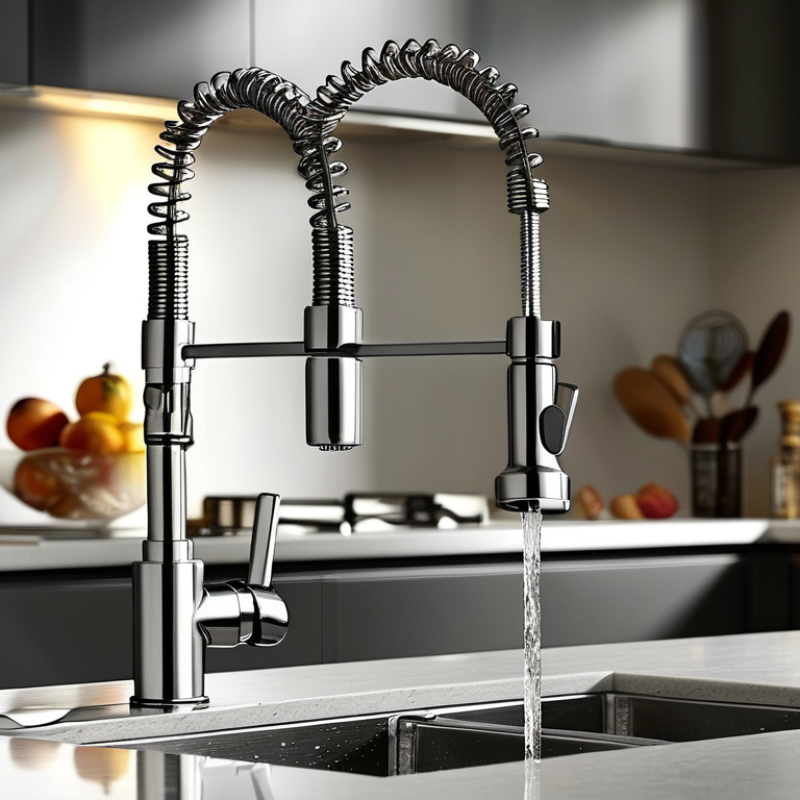
How to Choose the Best Stainless Steel Kitchen and Bathroom Faucet?

Understanding the Importance of Choosing the Right Faucet

Choosing the right faucet for your kitchen and bathroom is crucial for functionality and aesthetics. Poor choices can lead to leaks or inefficiency, impacting your water bills. A report from the Environmental Protection Agency highlights that faucets can waste up to 1.2 trillion gallons of water per year. Choosing a quality faucet can significantly reduce this waste.

When selecting a faucet, consider its water flow rate. A faucet with a high flow rate may look appealing but can be wasteful. According to the American Society of Plumbing Engineers, a standard faucet should have a flow rate of 1.5 to 2.2 gallons per minute for optimal efficiency. For a Bathroom Sink And Faucet, the style and material also matter. Stainless steel is popular for its durability and easy maintenance, yet it must be paired with suitable accessories to avoid corrosion.

Aesthetic choices can impact your daily routines. A well-designed faucet improves usability, while a poorly chosen one might complicate tasks like washing hands or dishes. Evaluating finishes and functions helps ensure longevity and satisfaction. Reflecting on your needs as well as aesthetics can guide you to a more informed decision.

Key Features to Consider for Stainless Steel Faucets

When selecting a stainless steel faucet for your kitchen or bathroom, several key features demand attention. Durability is paramount. Stainless steel often resists rust and corrosion. Look for a solid construction that can withstand daily use. However, not all stainless steel is the same. Some finishes may scratch more easily, affecting long-term appearance. A quick inspection can help identify quality materials.

Another important aspect is water flow rate. Choose a faucet that offers an optimal flow rate without wasting water. A high-quality faucet should deliver enough pressure while conserving resources. Additionally, consider the design. A sleek Black And Stainless Steel Kitchen Faucet can enhance your space’s aesthetic appeal. But functionality should not be overlooked. Ensure the handle is easy to operate, even with wet hands.

Finally, installation ease is critical. Some faucets require complex setups, which can lead to frustration. Look for models that offer clear instructions. You may also prefer a design that can fit various sink configurations. Exploring all these factors ensures a practical and stylish choice for your kitchen or bathroom.

Types of Stainless Steel Faucets: Pros and Cons

When selecting a stainless steel faucet, understanding the different types is crucial. Standard stainless steel faucets are known for their durability and resistance to corrosion. According to industry research, over 70% of consumers prefer this material for its long lifespan. However, they can show fingerprints easily, requiring regular maintenance.

On the other hand, Stainless Steel And Black Kitchen Faucets are gaining popularity. The combination of black accents with stainless steel offers a modern look. This aesthetic appeal is a significant factor for 65% of homeowners when choosing fixtures. Despite this, the black finish may scratch or fade over time, which is a concern noted in various user reviews.

Moreover, pull-down and pull-out faucets provide convenience with their extendable hoses. They offer flexibility for cleaning and rinsing but can be more complex to install. Nearly 50% of users reported installation difficulties, highlighting a potential drawback. The choice between aesthetics and functionality is often a balancing act, reflecting personal preferences and practical needs.

Assessing Faucet Design and Functionality

When selecting a kitchen or bathroom faucet, assessing the design and functionality is crucial. A well-designed faucet should harmonize with your overall décor while being practical for daily use. Consider the handle style; a single handle can provide better ease of use compared to a two-handle setup. Look for models that offer ergonomic grips and smooth movement, as these features enhance functionality.

In terms of practicality, think about water flow and pressure. A faucet that provides adjustable water flow can be a game-changer, especially in a busy kitchen. This is where the quality of materials comes into play. Stainless steel options are not only durable but also resistant to corrosion and stains. If you are leaning towards a darker aesthetic, a Kitchen Faucet Black And Stainless Steel combination offers an elegant yet modern look.

However, it’s essential to reflect on your specific needs. Are you often cooking large meals, or do you use the faucet mainly for rinsing? Identifying your usage can guide your choice. Also, keep in mind that some designs might appear stylish, but they may not be ideal for daily wear and tear. Prioritize functionality but don’t ignore the aesthetics; they should work hand-in-hand for your spaces.

How to Choose the Best Stainless Steel Kitchen and Bathroom Faucet?

Aspect Description Considerations
Material Quality Look for high-grade stainless steel resist corrosion and tarnishing. Check for 304 or 316-grade stainless steel for durability.
Design Style Choose a design that complements your kitchen or bathroom decor. Consider modern vs. traditional styles based on your existing fixtures.
Finish Options Available in brushed, polished, or matte finishes. Select a finish that is scratch-resistant and easy to clean.
Faucet Type Single handle, dual handle, pull-down or pull-out spouts. Consider ease of use and control over water temperature and flow.
Water Flow Rate Measured in gallons per minute (GPM); affects water efficiency. Look for faucets that meet EPA WaterSense standards.
Installation Type Deck-mounted vs. wall-mounted options. Ensure compatibility with your existing plumbing setup.
Warranty Length and coverage of warranty provided by the manufacturer. Longer warranties often indicate higher confidence in product quality.

Evaluating Brand Reputation and Quality Standards

When selecting stainless steel faucets for your kitchen and bathroom, brand reputation and quality standards play crucial roles. Research shows that 72% of consumers consider brand trustworthiness when making purchasing decisions. A strong brand often reflects consistent quality and durability. Investigating a brand's history can reveal its commitment to innovation and customer satisfaction.

Moreover, quality standards are essential. Many faucets undergo rigorous testing to meet industry benchmarks. For instance, faucets that adhere to the American Society of Mechanical Engineers (ASME) standards generally ensure better performance and longevity. Statistical data indicates that consumers frequently report fewer issues with products from manufacturers that prioritize compliance with recognized standards.

However, the pursuit of quality can reveal some flaws. Not all high-end brands live up to their reputation. Some products may experience corrosion or finish wear over time, challenging the notion that price guarantees quality. Additionally, customer reviews often highlight discrepancies between marketing promises and actual performance. This underlines the importance of thorough research before making a decision. Engaging with reviews and seeking out independent evaluations can aid in uncovering trustworthy options.

Budgeting for Your Kitchen and Bathroom Faucet

When budgeting for your kitchen and bathroom faucet, consider quality versus cost. Stainless steel faucets tend to last longer and resist corrosion. This makes them a solid investment. However, high-quality options can also be expensive, leading to tough choices. Finding a balance is essential. Determine your budget before exploring options.

Additionally, remember to factor in installation costs. Hiring a professional might increase the total expenditure. If you're handy, you could save money by installing it yourself. Research local plumbing codes to ensure compliance.

Choosing a faucet also involves thinking about its features. Some faucets offer more functionality, but at a higher price. Look for models that consumers recommend for durability and ease of use. Weighing these aspects can help refine your choices. Keep your priorities clear, and don’t rush the decision.

Installation and Maintenance Tips for Longevity

When it comes to maintaining your stainless steel faucets, consistent care is vital. Regularly cleaning them with mild soap and water prevents buildup of grime or mineral deposits. These deposits can tarnish the finish and affect functionality. A soft cloth is essential; avoid abrasive materials that may scratch the surface.

Check the faucet for leaks periodically. Even a small drip can lead to water wastage and increased utility bills. If you notice any signs of leakage, address them immediately. Sometimes, tightening existing fittings or replacing washers can resolve minor issues. Over time, you may find that components wear down. Be prepared to replace them to ensure your faucet remains in good condition.

Proper installation plays a key role in the longevity of your faucet. Follow instructions carefully, and always make sure seals are tight. Use Teflon tape on threaded connections to prevent water escape. Misalignment can lead to leaks and costly repairs. Always consider the placement and angles before finalizing the installation. Reflect on these areas routinely for optimal performance.

Faucet Material Durability Comparison

FAQS

: What are the main types of stainless steel faucets?

: The main types include standard faucets, faucets with black accents, pull-down, and pull-out options.

Why do consumers prefer stainless steel faucets?

Over 70% of consumers like them for durability and corrosion resistance.

What maintenance do stainless steel faucets require?

They can show fingerprints easily, requiring regular cleaning to maintain appearance.

Are black accents on faucets a good choice?

They offer a modern look, but may scratch or fade over time.

What are the installation challenges with pull-down and pull-out faucets?

Almost 50% of users reported difficulties, indicating complexity may deter some.

How should I budget for a faucet?

Determine your budget, considering quality, cost, and potential installation expenses.

What features should I look for in a faucet?

Consider functionality, durability, and ease of use. Prioritize features important to your needs.

Can I install a faucet myself?

Yes, if you're handy, it can save costs. Just check local plumbing codes first.

Why is balancing quality and cost important?

Finding a balance ensures you invest in a long-lasting product without overspending.

How can user recommendations help my choice?

They provide insights on durability and functionality, guiding you towards reliable options.

Conclusion

Choosing the right stainless Steel Kitchen and bathroom faucet is crucial for both functionality and aesthetics in your home. It is important to understand the key features to consider, such as durability, ease of use, and design compatibility with your existing decor. Different types of stainless steel faucets come with their own pros and cons, making it vital to assess your specific needs and preferences.

Additionally, evaluating the brand reputation and quality standards can guide you in selecting a reliable product. Budgeting wisely for your stainless steel kitchen and bathroom faucet ensures that you can find a model that fits within your financial plan while still delivering performance. Finally, following proper installation and maintenance tips will help extend the longevity of your chosen faucet, ensuring it remains a valuable addition to your home for years to come.

Cassandra

Cassandra

Cassandra is a dedicated marketing professional at Henan Yigeng Kitchen & Bathroom Co., Ltd., where she leverages her extensive expertise to drive the company's mission of delivering high-quality kitchen and bathroom products. With a keen focus on merchandise like handmade sinks, pull-out baskets,......
Previous What is High Temperature Resistant Stainless Steel Sink?