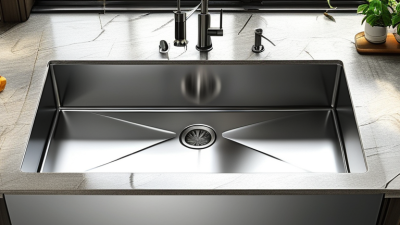
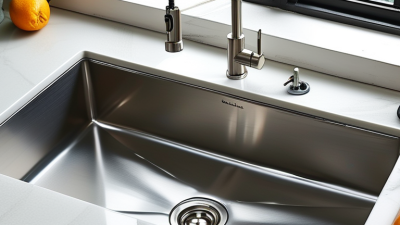
Picking the right Kitchen Sink isn’t just about looks, it’s also about how well it works day-to-day. Michael Anderson, the CEO of Quality Sinks Ltd., puts it simply: “A good stainless steel sink can totally change how you feel about your kitchen.” When you’re on the hunt for one, there are a few important things to keep in mind.
Not all stainless steel is made the same. Pay attention to stuff like thickness, gauge, and finish. Generally, a thicker gauge means your sink will hold up better — fewer dents, better durability. But, don’t just base your choice on thickness alone, because there are other pretty important factors too, like how much it muffles sound and how easy it is to keep clean.
And of course, how it looks matters. A high-quality stainless steel Sink Should really match your kitchen’s vibe. Some folks go for a brushed finish for that sleek, modern feel, while others might prefer something super shiny. Whatever you choose, make sure it fits with your overall decor and think about how it’ll look and function in the long run. It’s all about finding that sweet spot that feels right for your home.
Understanding the Basics of Stainless Steel Sinks
Understanding the basics of stainless steel sinks is essential for choosing the right one. Stainless steel is popular for its durability and resistance to rust. According to industry reports, about 70% of homeowners prefer stainless steel for kitchen renovations. This material offers excellent structural integrity, making it ideal for busy kitchens.
Gauge thickness is a significant factor. Most high-quality sinks range from 16 to 18 gauge. Thicker sinks are often quieter and more resilient. A sink with a lower gauge number typically offers better performance. However, some may overlook this detail. A 16-gauge Sink High can withstand heavy pots and pans better than a thinner gauge.
Finish is another crucial aspect. The brushed finish is recommended for hiding scratches and fingerprints. A polished finish may look appealing but can show wear more quickly. Choosing a high-quality stainless steel sink involves balancing aesthetics, functionality, and durability. Remember, even the best options can have downsides. Some sinks may become dented over time, leading to potential regrets in your decision.
Key Factors to Consider When Choosing Stainless Steel
When selecting a high-quality stainless steel sink, several key factors require close attention. The gauge of the steel is crucial. A thicker gauge, like 16 or 18, offers better durability and resistance to dents. Thinner steel might save money but can lead to unwanted noise and damage. Consider how often you cook and wash dishes. If you frequently use your sink, investing in a thicker gauge pays off in the long run.
The finish of the sink also impacts its look and maintenance. A brushed finish can hide scratches better than a polished one. It's important to think about how much care you're willing to provide. Smooth finishes look stunning but show water spots and smudges quickly. A brushed finish requires less upkeep but may not appeal to all aesthetics.
Here are some helpful tips:
- Test the sink’s sound by knocking on it. A solid thud suggests good quality.
- Consider the depth and size. A deeper sink accommodates large pots but may require bending.
- Check the warranty offered. Reliable manufacturers stand behind their products.
Reflect on your kitchen habits to guide your decision. An ideal sink should fit your lifestyle and aesthetic preferences while being functional and durable.
Different Grades of Stainless Steel: What You Need to Know
When choosing a high-quality stainless steel sink, understanding the different grades is crucial. Stainless steel is classified by grades, primarily 304 and 316. The American Institute of Steel Construction (AISC) states that grade 304 is the most common in residential applications. It comprises 18% chromium and 8% nickel, making it durable and resistant to corrosion. Conversely, grade 316 contains 16% chromium, 10% nickel, and 2% molybdenum. This composition enhances its resistance to pitting in marine environments. This means it holds up better in humid settings.
Tips: Always check the gauge of the stainless steel. Thicker gauges, like 16 or 18, indicate better quality. Stainless steel sinks are available in various finishes, which can affect their durability. A brushed finish hides scratches better than a polished one.
While higher grades like 316 offer excellent durability, they come at a premium price. Many homeowners may opt for the more affordable 304, which performs well in most kitchens. Understand the trade-offs based on your specific needs. Prioritize your environment and usage patterns when selecting. A busy kitchen may necessitate a sturdier grade, while a rarely used sink may suffice with a lower-grade option.
The Importance of Sink Thickness in Durability and Performance
When selecting a high-quality stainless steel sink, sink thickness plays a crucial role in durability and performance. Industry studies indicate that the optimum thickness for stainless steel sinks is around 16 to 18 gauge. Thicker sinks resist dents better and have a longer lifespan. A gauge lower than 16 may lead to noise during operation. Thinner sinks may warp over time, affecting the overall user experience.
Durability is not just about thickness; it also relates to the quality of materials used. A sink made with a higher nickel content is less prone to rust. Reports show that sinks with 18/10 nickel-chromium ratios exhibit superior corrosion resistance. However, higher quality often comes at a cost. Consumers need to balance budget and longevity. Choosing a sink without considering these factors may lead to regrets down the line.
The sound dampening features of a sink can also be correlated with its thickness. Thicker sinks often incorporate sound-deadening pads, reducing vibration noise during dishwashing. This is vital for those who prefer a quieter home environment. Yet, the trade-off could be a heavier install. A robust structure is essential, but it may complicate the installation process. Reflecting on these aspects ensures a well-informed choice.
Finishes and Styles: Enhancing the Aesthetics of Your Sink
When choosing a stainless steel sink, finish and style play a crucial role. They enhance the overall aesthetic of your kitchen. Polished surfaces reflect light beautifully, adding brightness. However, these can show water spots easily. Matte finishes offer a modern look, but scratches can be more noticeable over time. Keep your preferences in mind when selecting the best option for you.
Consider the shape of your sink. Farmhouse styles stand out in traditional kitchens. They offer depth and functionality. On the other hand, undermount sinks create a seamless appearance. They work well with stylish countertops. Look at how the sink complements your existing decor and appliances.
**Tips**: Before you buy, visualize your kitchen with different sink styles. Use design apps or draw sketches. Test how various finishes may show wear over time. Look for a "High Faucet Kitchen" setup to enhance functionality. This height can make cleaning the sink easier. Choose wisely, and enjoy the beauty your sink brings to your space.
Comparing Different Sink Configurations for Your Kitchen Needs
When considering a new Stainless Steel Sink for your kitchen, it's essential to think about the various configurations available. The layout of your kitchen can influence which sink style works best. For instance, a single bowl sink offers simplicity and can accommodate large pots. However, it may lack the functionality of a divided sink for multitasking.
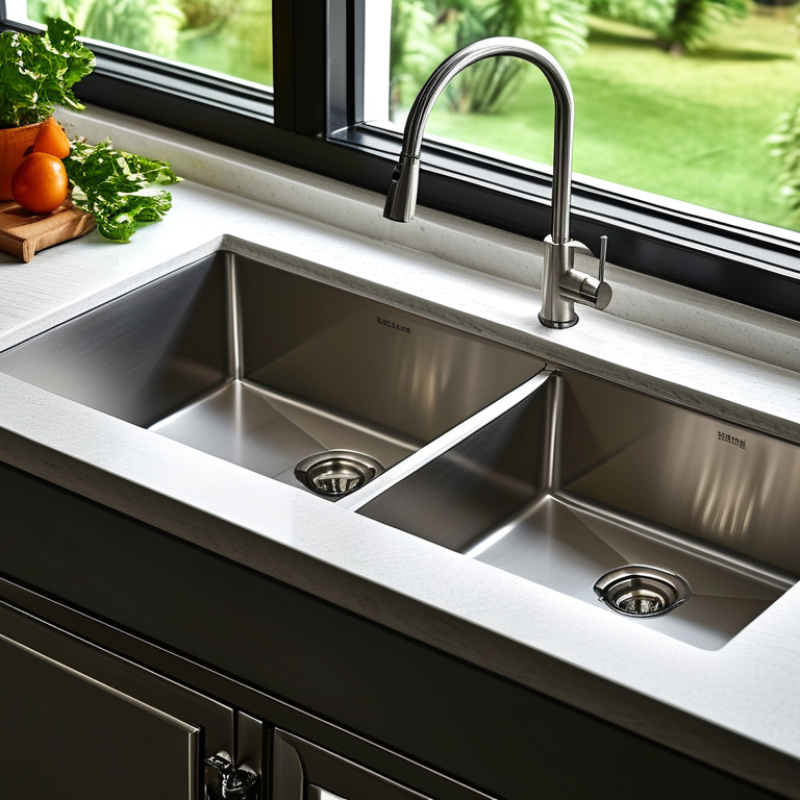
On the other hand, a double bowl Stainless Steel Sink is great for separating washing and rinsing tasks. This design is often preferred for families or those who frequently entertain guests. It's useful to reflect on your cooking habits. Do you need more space? A deeper sink might be necessary for you.
Another option is a farmhouse sink, which has gained popularity in recent years. Its unique design can create a statement in your kitchen. Yet, it's important to consider installation challenges. Not all countertops are suited for such sinks, possibly leading to unforeseen renovation issues. Your choice should align with both your aesthetic preferences and practical needs. Balancing these factors can help you find the perfect Stainless Steel Sink.
How to Choose the Best High Quality Stainless Steel Sink? - Comparing Different Sink Configurations for Your Kitchen Needs
| Sink Configuration | Material Gauge | Number of Bowls | Drain Placement | Dimensions (inches) | Best For |
| Single Bowl | 16 | 1 | Center | 30 x 20 | Small Kitchens |
| Double Bowl | 18 | 2 | Side by Side | 33 x 22 | General Purpose |
| Farmhouse | 14 | 1 | Center | 36 x 20 | Aesthetic Appeal |
| Undermount | 16 | 1 | Center | 32 x 18 | Modern Kitchens |
Evaluating Brand Reputation and Warranty Options in Stainless Steel Sinks
When selecting a stainless steel sink, brand reputation is crucial. Brands with a solid history often ensure quality. Look for reviews and testimonials. A brand’s longevity in the market speaks to its reliability.
Warranty options also matter significantly. A good warranty indicates confidence in product durability. Many top-tier brands offer lifetime warranties. This can save you frustration and money over time. However, don’t overlook specific conditions that may apply.
Researching both the brand’s reputation and their warranty policies can prevent future regrets. Be cautious when choosing. Every option may have hidden flaws. Weigh pros and cons carefully for the best decision.
Elevate Your Kitchen with High Temperature Resistant Stainless Steel Sinks: Performance, Design, and Benefits
Elevate your kitchen with high-temperature resistant stainless steel sinks that combine exceptional performance with elegant design. The SUS 304 stainless steel material not only ensures durability but also makes cleaning a breeze. Designed with functionality in mind, our double bowl sinks provide ample space for washing and soaking various types of tableware, streamlining your kitchen tasks. You can enjoy the convenience of built-in accessories such as cutting boards, water filters, and faucets—all integrated seamlessly into the sink design.
Customization is a key feature of our sinks, allowing you to select styles and sizes that perfectly match your kitchen layout. Whether you prefer an under-counter, top-mounted, or embedded installation, our diverse options cater to all preferences. Additionally, for those seeking a unique aesthetic, colored PVD options are available to complement your kitchen's decor. With advanced production techniques and a dedicated quality assurance system, we ensure that every detail meets the highest standards, enabling the creation of complex functional sinks that fulfill all your culinary needs. Experience hassle-free wholesale from the factory with reliable on-time delivery, ensuring that your kitchen upgrade remains efficient and stylish.
FAQS
: Stainless steel is durable and resistant to rust, making it ideal for kitchen environments.
The gauge indicates the sink's thickness; lower gauge numbers usually mean better durability and performance.
High-quality sinks typically range from 16 to 18 gauge for optimal performance and resilience.
A brushed finish hides scratches better than a polished finish, which can show wear more quickly.
Grade 304 is common and affordable, while grade 316 offers superior corrosion resistance in humid environments.
Balancing aesthetics and functionality is key, as certain styles may suit your kitchen's needs better than others.
Think about your cooking habits; a single bowl offers simplicity, while double bowls provide better multitasking options.
Yes, farmhouse sinks can present installation challenges, as not all countertops accommodate their unique design.
Consider your cooking frequency and space needs; a deeper sink may be necessary for frequent use.
Some sinks may dent or show wear over time, which can lead to regrets if not carefully considered.
Conclusion
When selecting a high quality stainless steel sink, it's essential to understand the key components that contribute to its performance and aesthetic appeal. Begin by familiarizing yourself with the different grades of stainless steel, as they directly affect the sink's durability. The thickness of the material plays a crucial role in how well the sink can withstand daily use, while the finish and style choices can enhance your kitchen's overall look.
Additionally, consider different sink configurations to best meet your cooking and cleaning needs. It's also wise to assess brand reputation and warranty options, as these factors can provide insight into long-term satisfaction with your purchase. In summary, a thorough evaluation of these elements will help you choose the right high quality stainless steel sink for your home.