Inquiry
Form loading...
0%

Picking out the best Kitchen Sink might seem like a small thing, but it can actually make a big difference for how your kitchen works and looks. When you choose a good one, it not only makes your daily chores easier but can also give your space a nice touch of style. The right "kitchen sink kitchen" (yeah, I know, sounds a bit funny) will fit seamlessly with your decor and suit your everyday needs without any fuss.

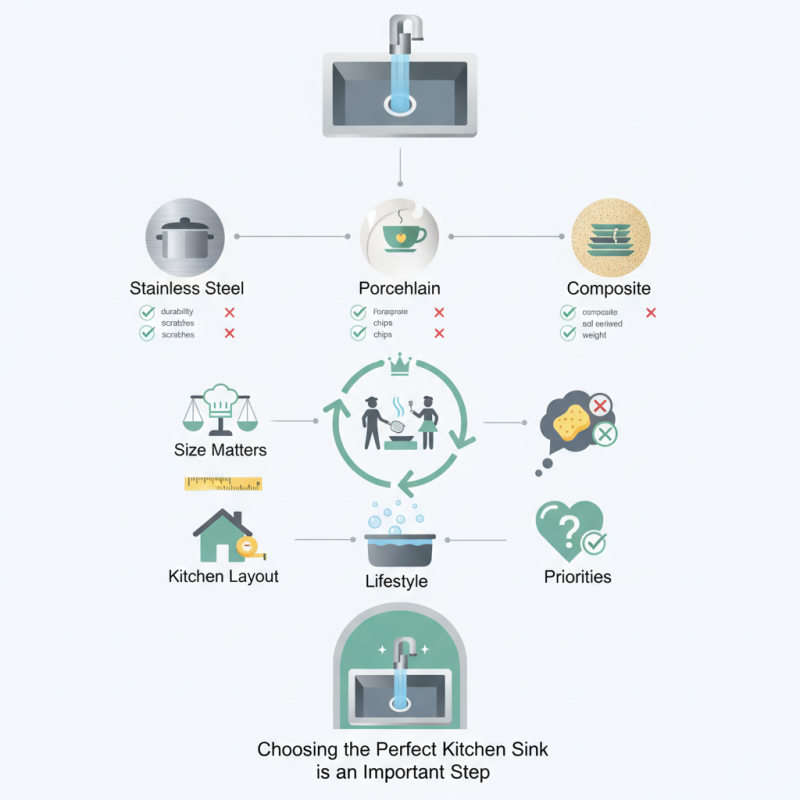
So, let’s talk materials for a sec. You’ve got options like stainless steel, porcelain, and composite, and each has its own perks and quirks. Stainless steel? Pretty tough, but it can scratch pretty easily. Porcelain? Looks classy, but watch out—it can chip if you’re not careful. And think about how often you’re cooking or entertaining. Your choice should really match your lifestyle—no point in going fancy if it’s just you and a microwave!

Size also plays a role here. A deep sink is super handy for washing big pots, but don’t forget, bigger takes up more space. Take a good look at your kitchen layout before you decide. Sometimes, a bigger sink might not actually fit—trust me, I’ve been there—and that’s a pain you don’t want to deal with. So, weigh your priorities carefully. Ultimately, choosing the right kitchen sink is a pretty important step—get it right, and you’ll be happy every day in the kitchen.
How to Choose the Best Kitchen Sink for Your Kitchen

Types of Kitchen Sinks: A Comprehensive Overview

How to Choose the Best Kitchen Sink for Your Kitchen

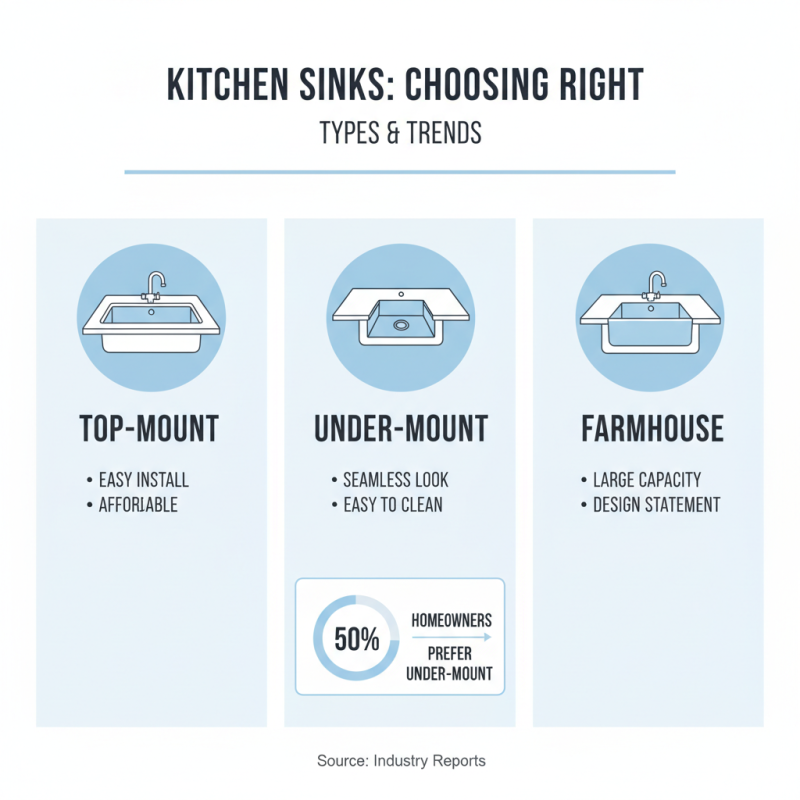
Choosing the right kitchen sink can be daunting. There are several types of kitchen sinks, each with unique features. The most popular are top-mount, under-mount, and Farmhouse Sinks. According to industry reports, around 50% of homeowners prefer under-mount sinks for their seamless look. They blend beautifully with countertops and are easier to clean.

Top-mount sinks, on the other hand, are simpler to install. However, many find them less aesthetically pleasing. They often attract grime along the edges. Farmhouse sinks offer a rustic charm, making them popular in modern kitchens. Yet, they require specific cabinetry and can be costlier. Not everyone finds that practical for their space.

Material also plays a crucial role. Stainless steel is durable and resistant to stains, making it a common choice. However, it can scratch easily, leading to a worn-out appearance over time. Composite sinks offer an attractive option but can be sensitive to heat. Sometimes, finding the best kitchen sink means weighing aesthetics against practicality. It's essential to reflect on how these choices impact your daily life in the kitchen.

Factors to Consider When Choosing a Kitchen Sink

Choosing the right kitchen sink is essential for your kitchen's functionality and aesthetics. Consider the material first. Stainless steel, ceramic, and granite composite each offer unique advantages. Stainless steel is durable and easy to clean. Ceramic can be stylish, but may chip. Think about how much wear and tear your kitchen sink will endure. If you cook often, a more robust material might be necessary.

Next, evaluate the size and configuration. A large, single-basin kitchen sink works well for washing big pots. However, a double-basin design offers more versatility. Reflect on your cooking habits. Do you need extra space for food prep? Sometimes, a smaller sink can feel cramped, especially if multiple people use it.

Finally, don't overlook the faucet choice. It impacts the sink's usability. A high-arc faucet can make filling pots easier. On the other hand, a pull-down sprayer offers more reach. Think about what features are most vital for your kitchen. Often, choosing a kitchen sink isn’t just about looks; it’s about finding practical solutions for daily tasks.

Materials Used in Kitchen Sink Construction

When choosing a kitchen sink, consider the materials used in its construction. Stainless steel, for example, is durable and resistant to rust. It complements modern and traditional kitchens alike. However, it can scratch easily, so be cautious with sharp objects. Some homeowners prefer a porcelain sink for its classic look. Porcelain can chip, which may affect its appearance over time.

A granite composite sink offers a perfect blend of beauty and resilience. It can withstand heat and scratches, but it may be heavy. This weight requires proper support during installation. Also, keep in mind that darker colors might show water spots. A Double Sink Kitchen Sink can be made from various materials, giving you options for functionality and style.

Tips: Always inspect the finish of your sink. A high-quality finish will yield better long-term results. Consider how frequently you cook and clean. If you use your sink often, durability is key. Remember, a beautiful sink should also be practical for everyday use. Take your time to weigh the pros and cons of each material before making a choice.

Size and Depth: Finding the Right Fit for Your Space

Choosing the right size and depth for your kitchen sink is crucial. A well-fitted sink can enhance your cooking experience. Measure your counter space carefully. A too-large sink can overwhelm the kitchen. A sink too small may not meet your needs.

Depth also matters significantly. Shallow sinks can limit usability when washing large pots. Consider how often you cook and what you cook. If you regularly prepare big meals, a deeper sink could be your best choice. For those who love sleek designs, a Kitchen Sink Double Sink might be appealing.

Reflect on your daily routines. Do you wash a lot of dishes? Evaluate whether a larger bowl helps. But is it practical for your space? Keep in mind the balance between style and function. Your kitchen sink is more than just a fixture; it's a vital workspace.

Style and Design: Matching Your Sink with Kitchen Decor

Choosing a kitchen sink requires attention to style and design. A sink is more than a utility; it's a centerpiece. Consider the materials first. Stainless steel offers a sleek, modern look. But a farmhouse sink can evoke rustic charm. Each option brings a unique vibe to your kitchen decor.

Colors matter too. A white porcelain sink fits well with bright, airy designs. Dark granite sinks can create a bold contrast in lighter kitchens. Think about finishes. A brushed finish can hide scratches, while a shiny surface screams elegance. Balance is key. Mixing too many styles might make your kitchen feel chaotic.

Remember functionality alongside aesthetics. A beautiful sink will not serve you well if it isn't practical. How do you wash large pots or prepare meals efficiently? Reflect on your cooking habits. Keep in mind, there is no perfect sink. Each choice comes with compromises. Each kitchen has its own character. Your sink should reflect that.

Installation Options: Drop-In, Undermount, and More

How to Choose the Best Kitchen Sink for Your Kitchen

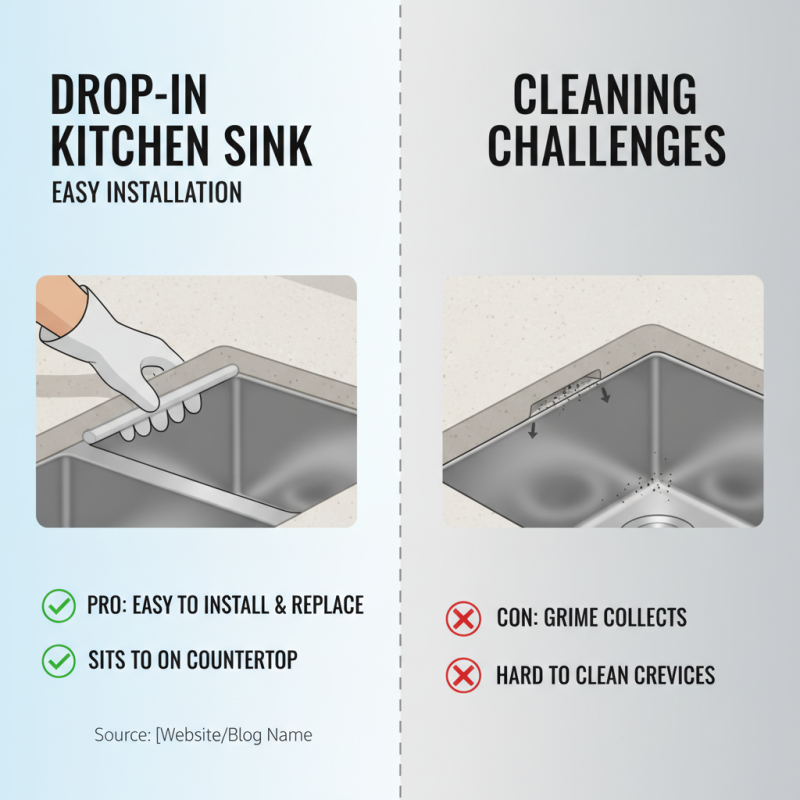
When choosing a kitchen sink, installation type is vital. Drop-in sinks are popular for their ease of installation. They sit on top of the countertop with a lip, making it simple to replace. However, they can collect grime in the crevices. Cleaning might be challenging.

Undermount sinks, on the other hand, attach beneath the countertop. This design offers a sleek look and allows for easy cleanup. But installation requires precise measurements and professional help, which can increase costs. Consider your skill level and budget before making a decision.

Farmhouse sinks provide a vintage charm. They extend beyond the cabinets, creating a striking focal point. However, these sinks can be heavy and may need reinforced support. Assess your space and available plumbing. Each option has pros and cons, and it's essential to research to find the right fit.

Budgeting for Your Kitchen Sink Purchase and Installation

When budgeting for a kitchen sink, it's crucial to consider the costs of both the sink and installation. The average cost of a kitchen sink ranges from $100 to $800, depending on the material and design. Installation fees can add another $100 to $300 to your total. Research indicates that many homeowners underestimate these costs, leading to budget overruns.

Tips: Start by determining your total budget. Aim for quality, as low-cost sinks may need replacement sooner.

Don’t forget about additional expenses such as plumbing modifications or countertop adjustments. A report by HomeAdvisor notes that nearly 60% of installation projects exceed initial estimates. Consider setting aside an extra 20% of your budget for unexpected costs. Having a buffer can ease your decision-making later.

Installation can sometimes be tricky. DIY might save money, but it can backfire. Always assess your skill level before jumping in. Sometimes, spending a bit more on professional help can save time and headaches. Reflect on past renovations to make informed choices this time.

How to Choose the Best Kitchen Sink for Your Kitchen - Budgeting for Your Kitchen Sink Purchase and Installation

Sink Type Material Average Cost ($) Installation Cost ($) Durability Maintenance
Single Basin Stainless Steel 300 150 High Low
Double Basin Composite 450 200 Medium Moderate
Farmhouse Fireclay 600 250 High High
Corner Granite 700 300 Very High Low
Undermount Stainless Steel 400 200 High Moderate

FAQS

: What is essential for starting a successful project?

: A clear plan and defined goals are crucial. Everyone needs to understand their roles.

How do you handle unexpected challenges?

Stay flexible and adapt quickly. Reflect on what went wrong to improve future responses.

Why is team communication important?

Effective communication builds trust and fosters collaboration. Misunderstandings can derail progress.

What should be prioritized during a project?

Focus on tasks that align with the overall objective. Missing deadlines can harm the end result.

How can one measure project success?

Use specific metrics to assess outcomes. Regular reviews can highlight areas needing improvement.

What is a common mistake in project management?

Overlooking details can lead to failures. Consistent follow-ups can mitigate this risk.

Conclusion

When selecting the best kitchen sink for your kitchen, there are several key factors to consider to ensure it complements your culinary space. Begin by exploring the types of kitchen sinks available, which include options like farmhouse, undermount, and drop-in styles. Each type has unique advantages, so understanding these can guide your choice. Materials such as stainless steel, porcelain, and composite play a significant role in durability and aesthetics, while size and depth are crucial for practical use.

Additionally, match the sink’s style and design with your kitchen decor for a cohesive look. Installation options can vary in complexity and cost, so it’s important to evaluate what fits best with your kitchen layout. Finally, budgeting for both the purchase and installation of your kitchen sink is essential to avoid unexpected expenses. By considering these factors, you can find the perfect kitchen sink that enhances both functionality and style in your kitchen.

Alexandra

Alexandra

Alexandra is a dedicated marketing professional at Henan Yigeng Kitchen & Bathroom Co., Ltd., a leading enterprise specializing in the manufacture and trade of high-quality handmade sinks, pull-out baskets, drain baskets, toilets, shower heads, and more. With an exceptional understanding of the......
Previous Five Benefits of Easy To Clean Stainless Steel Sinks in Commercial Kitchens