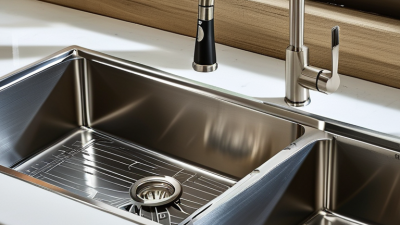
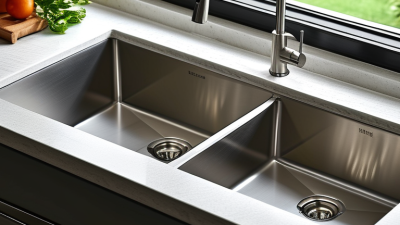
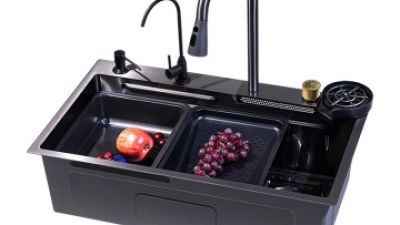
So, by 2026, choosing a **uniquely designed** [stainless steel sink](https://www.yigengsinks.com/stainless-steel-sink) is kinda like stepping into a whole new world of opportunities—and maybe a few challenges too. The sink market’s changing super fast, with the global Kitchen Sink market expected to grow around 5.5% each year. That’s pretty significant and really shows how people are now into choosing stylish yet practical kitchen designs. A good-looking sink can totally elevate the vibe of your kitchen, but it’s gotta be durable too, you know?
Mark Thompson, from Stainless Innovations, puts it nicely: “A uniquely designed stainless steel sink blends artistry with functionality.” Basically, it’s all about finding that sweet spot between looking great and being practical. Homeowners really need to think about their kitchen layout, their personal style, and what features they actually need. Picking the right sink can turn a boring, standard kitchen into a really personalized cooking space.
But here’s the thing—not every design fits every kitchen, and some sinks just don’t have all the features needed for modern cooking. You’ve got to be honest with yourself about your habits and what you really need. The perfect sink isn’t just about matching your decor; it’s gotta work well too. Doing your homework and talking to experts can really make a difference. With the right choice, you’re set for a sink that looks great, lasts long, and actually helps you out in the kitchen.
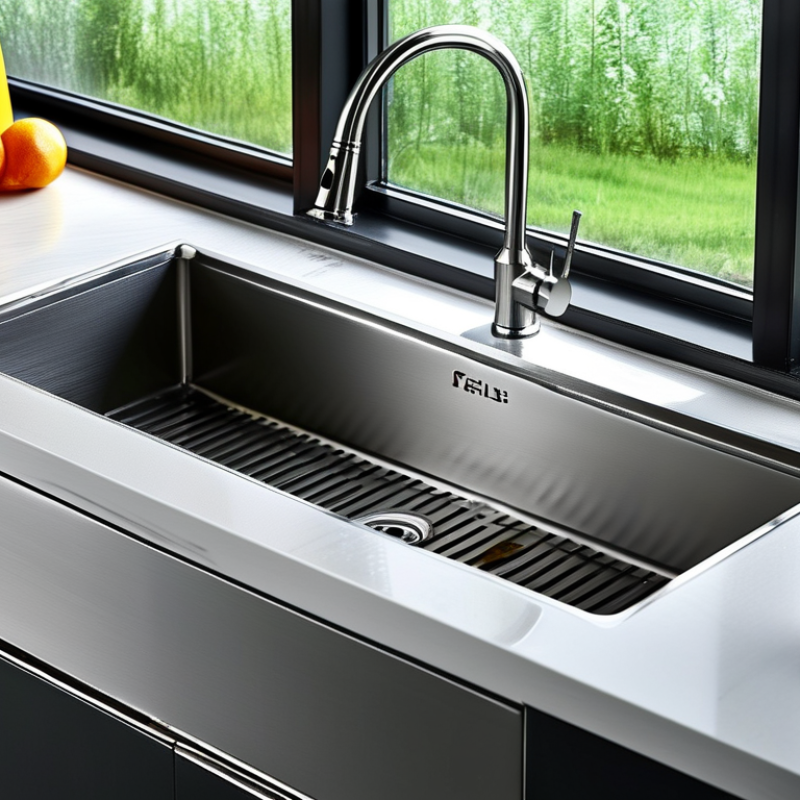
Factors to Consider When Selecting a Stainless Steel Sink
When selecting a stainless steel sink in 2026, several factors come into play. First, consider the gauge of the steel. A lower gauge indicates thicker and more durable steel. Industry standards show that a 16-gauge sink offers significant resistance to denting and scratching. This durability is crucial for busy kitchens where wear and tear is common.
Another consideration is the finish and design. While shiny finishes can enhance aesthetic appeal, they also show scratches easily. Matte finishes, on the other hand, disguise imperfections better. A study revealed that 60% of homeowners prefer finishes that require less maintenance. Design options also include single vs. Double Bowl configurations. Each configuration serves different needs, impacting functionality.
Depth is another crucial aspect. A deeper basin allows for better accommodation of large pots. However, if the sink is too deep, it may strain the back during prolonged use. Data suggests that sinks with a depth of 9 to 10 inches strike a balance between function and comfort. Additionally, check for noise reduction features; sound-deadening pads are a common consideration that can enhance user experience.
Understanding Different Stainless Steel Grades and Their Benefits
When selecting a stainless steel sink, understanding different grades is crucial. The two most common types are 304 and 316. Grade 304 is known for its good balance of durability and corrosion resistance. Many households prefer this option. However, it can be prone to scratching. You might find those scratches frustrating after some time. On the other hand, 316 grade offers superior resistance to rust and pitting, making it ideal for coastal areas where salt exposure is high.
Beyond the grades, the thickness of the stainless steel matters significantly. A thicker gauge, such as 16 or 18, is often more robust. Yet, it can also be heavier and more challenging to install. Some may overlook this aspect, thinking that any stainless steel will work. Choosing the right thickness can prevent denting and noise while washing dishes. The finish of the Sink Steel Stainless is another essential factor. A brushed finish is less prone to showing fingerprints. But, smooth finishes tend to appear more modern. This choice can reflect personal style, as well as practical considerations. Balancing aesthetics with functionality is not always easy.
Exploring Unique Designs: Styles and Shapes of Sinks
When choosing a uniquely designed stainless steel sink in 2026, consider the variety of shapes and styles available. Traditional rectangular sinks remain popular, yet curved or asymmetrical designs are gaining traction. These shapes add an artistic touch to your kitchen or bathroom. A rounded sink can soften the angular lines of modern cabinetry. Meanwhile, a trapezoidal sink might create a bold statement against a minimalist backdrop.
Material finish plays a crucial role too. Brushed or polished finishes affect both aesthetics and functionality. A brushed finish hides scratches better, while a polished sink shines brightly, demanding attention. Think about how the surface will blend with your overall décor. The interplay of light on these surfaces can create dynamic visual effects. Also, consider the dimensions—unusual sizes can influence layout and design flow, prompting unique installation possibilities.
Choosing a sink is more than just a practical decision. It requires reflection on how these designs resonate with your personal style. Ask yourself how the sink will function in your space. What design complements your lifestyle? This process encourages critical thinking about form and function, ultimately leading to an informed choice that will enhance your home.
Evaluating Sink Depth and Size for Your Kitchen Space
Choosing the right sink size and depth is essential for a functional kitchen. Assessing your available space is the first step. Consider your kitchen layout. A well-designed Stainless Steel Sink In Kitchen should fit seamlessly into your countertops. Measure cabinet spaces carefully before shopping. A too-deep sink can hinder usability, especially in shallow cabinets.
You might find depth options vary significantly. Standard depths range from 8 to 10 inches. Think about how you use your sink. If you frequently wash large pots, a deeper sink might be beneficial. However, if you mostly wash smaller dishes, a shallower option could suffice.
When evaluating sink size, think beyond just aesthetics. Practicality plays a vital role in the decision. In small kitchens, a spacious sink can feel overwhelming. Conversely, in larger spaces, a compact sink may seem lost. It’s essential to strike a balance that meets both style and functionality. Always keep in mind the overall workflow in your kitchen. Understanding your daily needs will guide you toward the perfect stainless steel sink in kitchen.
Assessing Installation Types: Undermount, Drop-in, and Farmhouse
When choosing a stainless steel sink, installation type is crucial. Undermount sinks provide a sleek look. They fit under the countertop, creating a seamless appearance. This style makes cleaning easier. However, installation might be complex. It requires precise measurements and professional help.
Drop-in sinks, on the other hand, are user-friendly. They sit on top of the countertop. This installation is simpler and often more economical. However, cleaning around the edges can be challenging. They may collect debris, which requires more maintenance. Homeowners should weigh the ease of installation against long-term upkeep.
Farmhouse sinks offer a unique aesthetic. They protrude from the cabinetry, making a bold statement. This style works well for modern and traditional kitchens. However, they require significant space and can be expensive. Make sure to measure your kitchen carefully. Reflect on how each style fits your lifestyle and design preferences. Choosing the right sink ultimately depends on balancing practicality with personal taste.
How to Choose a Uniquely Designed Stainless Steel Sink in 2026?
Finishes and Textures: Enhancing Aesthetic Appeal
Choosing a stainless steel sink in 2026 involves more than basic functionality. Finishes and textures play a crucial role in enhancing the aesthetic appeal of your kitchen. According to a recent report by the National Association of Home Builders, over 70% of homeowners prioritize aesthetics in their kitchen designs. Textured finishes can elevate the sink's visual impact, adding depth and personality without sacrificing durability.
Brushed finishes are popular for their ability to hide scratches and smudges. They create a more informal, lived-in environment. On the other hand, polished surfaces offer a sleek, modern look. However, they require more upkeep. The demand for textured options is expected to rise by 30% by 2026, reflecting homeowners' desire for unique designs that stand out. Consider non-traditional finishes like matte or satin for a distinctive appeal. These options not only look good but also provide practical benefits, such as reduced glare.
It's essential to reflect on how your sink's finish resonates with the overall kitchen theme. While some finishes create harmony, others can clash. For instance, an elaborate texture may dominate in a minimalist space. Balance is key to achieving a cohesive design. Research indicates that 65% of kitchen remodels involve updating finishes. Pay attention to these details for a truly striking result.
Budgeting for Quality: Cost Considerations in Unique Sinks
When budgeting for a uniquely designed stainless steel sink in 2026, consider the balance between aesthetics and functionality. Unique sinks can significantly vary in price. A standard model might not reflect the latest design trends or durability needed for long-term use. High-quality materials enhance both appearance and resilience but can come with a higher price tag. Assessing your budget early can prevent overspending later.
Diving into specific design elements is crucial. Look at options like custom shapes or finishes that complement your kitchen's style. While unique designs can elevate your space, they might not always streamline installation or maintenance. Some sinks may require professional installation, adding to costs. Researching these aspects upfront can save you from unexpected expenses.
Remaining flexible in your choices is also important. A sink that draws you in might exceed your budget. Sometimes, a slightly less unique option can provide the same appeal and functionality at a lower cost. Think about long-term value, not just initial satisfaction. Ensuring your investment aligns with practical needs is key when selecting a Sink Stainless Steel Kitchen that will last.
Exploring the Growth of PVD Coated Products: Insights from the Global Stainless Steel Market Trends and Consumer Preferences
In the contemporary market, the demand for innovative kitchen solutions is at an all-time high, with PVD coated products emerging as a significant trend. PVD, or Physical Vapor Deposition, enhances not only the durability of stainless steel products but also adds aesthetic appeal through vibrant colors. Among these, the SUS304 stainless steel double bowl sink stands out. Designed with dual spaces, it caters to the diverse needs of households that necessitate efficiency in washing and soaking dishware without compromising on space or functionality.
The versatility of this sink is further amplified through customization options, allowing clients to tailor sink sizes and styles to fit specific kitchen layouts. With built-in accessories such as cutting boards and water filters, it transcends traditional sink design, offering a comprehensive solution for modern kitchens. Moreover, the advanced production capabilities ensure that even complex functional sinks can be produced, showcasing a commitment to quality and innovation. Featuring various installation methods—under-counter, top-mounted, or embedded—these sinks can seamlessly integrate into any kitchen design.
Focusing on customer satisfaction, the manufacturing process adheres to a complete quality assurance system that meticulously examines every aspect of production. As a testament to efficiency, the facility can produce up to 3,500 units per day, ensuring timely deliveries for bulk orders. With after-sales service prioritized, customers can feel assured that any concerns will be addressed promptly, enhancing their overall experience with these cutting-edge kitchen solutions.
FAQS
: The two most common grades are 304 and 316.
Grade 304 offers a good balance of durability and corrosion resistance.
Yes, it can be prone to scratching over time.
Grade 316 has superior rust and pitting resistance, ideal for coastal areas.
A thicker gauge, like 16 or 18, is more robust and minimizes denting.
Yes, thicker steel can be heavier and harder to install.
Brushed finishes hide fingerprints better, while smooth finishes look more modern.
Balance between aesthetics and functionality is essential.
Yes, some designs may require professional installation, increasing overall costs.
Assess long-term value instead of just initial appeal or trends.
Conclusion
When selecting a uniquely designed stainless steel sink in 2026, several factors should be carefully considered. It's essential to understand the different grades of stainless steel available, each offering its own benefits in terms of durability and resistance to rust and stains. Unique designs come in various styles and shapes, allowing homeowners to select a sink that not only fits their kitchen's aesthetic but also complements their functional needs.
Additionally, evaluating the depth and size of the sink is crucial to ensure it fits well within the kitchen space. Different installation types, such as undermount, drop-in, and farmhouse, can affect both the look and usability of the sink. Moreover, finishes and textures can enhance the aesthetic appeal, creating a striking focal point in your kitchen. Lastly, being mindful of budgeting is important, as investing in a quality uniquely designed stainless steel sink can significantly elevate your kitchen's overall value and appeal.