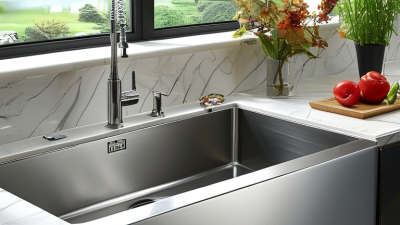
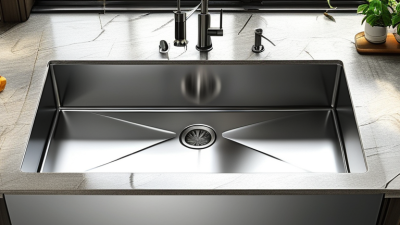
High-temperature resistant stainleSs Steel Sinks are really making a splash in today’s kitchen design. They’re built to handle pretty much anything — extreme heat, heavy use, you name it. Whether you’re a professional chef or just someone who loves to cook at home, these sinks are a solid choice.
Let’s be honest, durability in kitchen gear is totally key. And these sinks do not disappoint. They’re made to stand up to the hustle and bustle of a busy kitchen, even when cooking temperatures hit the high marks. Plus, they resist warping and keep their shape over time, which is pretty reassuring.
Picking the right sink can actually make a big difference in how smoothly your kitchen runs. These stainless steel options mix style and function nicely. But, and here’s the thing, not every sink is perfect for everyone. Some might not fit your personal aesthetic or specific needs. Thinking about these little details can help you make a smarter choice and put together a kitchen you’ll love.
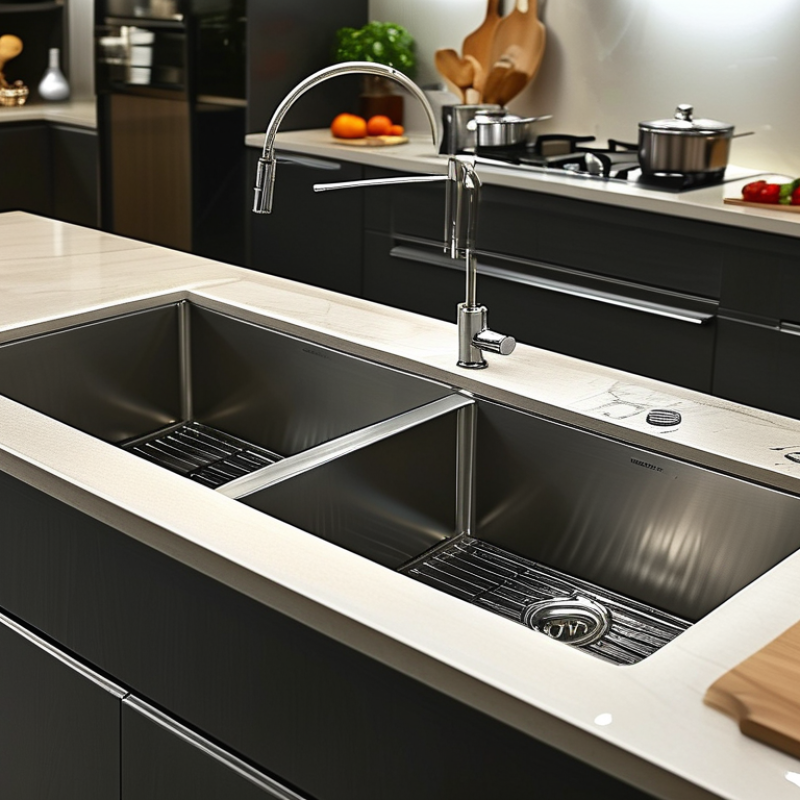
Definition and Overview of High Temperature Resistant Stainless Steel Sink
High temperature resistant stainless steel sinks are designed to withstand extreme heat and corrosive environments. These sinks are crafted from high-grade stainless steel, which provides both durability and resilience. The composition of these materials is essential. It usually includes chromium and nickel for enhanced resistance to oxidation and corrosion.
In kitchens and industrial settings, these sinks endure high-pressure and high-temperature tasks. They can handle hot water and steam without warping or degrading. Maintaining functionality in such conditions is crucial. Owners must remember that while these sinks are robust, they still require regular maintenance. Scratches and dents can occur, which may compromise their heat resistance over time.
Using high temperature resistant stainless steel sinks is a smart choice, but it's important to understand their limitations. Cleaning with harsh chemicals can damage the surface. Ensuring the proper care and usage habits can significantly extend the life of these sinks. When selected and maintained properly, they serve a vital role in numerous environments.
High Temperature Resistant Stainless Steel Sink Temperature Resistance Comparison
Key Features and Benefits of High Temperature Resistant Stainless Steel Sinks
High temperature resistant stainless steel sinks are engineered to withstand extreme heat, making them ideal for various culinary environments. One significant feature is their ability to resist warping and discoloration, even under high heat. Chefs appreciate these sinks for their durability and longevity. Unlike regular sinks, they maintain their sleek appearance despite heavy use.
Another key advantage is their hygienic surface. Stainless steel naturally resists bacteria growth, ensuring a clean workspace. High temperature resistant stainless steel sinks can handle hot pots and pans without damage. This characteristic is vital in busy kitchens where efficiency and cleanliness are crucial. However, they can be heavy, which may complicate installation and require extra support.
Custom designs are often available, catering to unique kitchen layouts. Many users value the aesthetic appeal of these sinks. While they generally perform well, improper care can lead to scratches or dulling over time. Regular maintenance is necessary for keeping them in top condition. Ensuring the longevity of a High Sink demands attention, but the benefits make it worthwhile in any serious kitchen setting.
Common Applications for High Temperature Resistant Stainless Steel Sinks
High temperature resistant stainless steel sinks are designed to endure extreme conditions. These sinks can withstand high temperatures without warping or losing integrity. As a result, they are popular in various industries, including food service, healthcare, and manufacturing. Many kitchens in restaurants utilize these sinks for washing cookware exposed to high heat.
In healthcare settings, sinks high in temperature resistance play a crucial role. They are used in sterilization areas, where high heat is essential for cleanliness. These sinks help maintain hygiene standards.
In manufacturing, they assist in processes involving hot liquids and cleaning procedures for equipment.
However, not all facilities prioritize these sinks.
Some still use regular stainless steel options, which might compromise durability. Choosing a high temperature resistant sink is an investment, but it requires careful consideration of the environment. Facilities should evaluate their specific needs to ensure long-term efficiency in their operations.
Materials Used in Manufacturing High Temperature Resistant Stainless Steel Sinks
High temperature resistant stainless steel sinks are known for their durability and reliability. These sinks are primarily made from a combination of chromium, nickel, and other alloying elements. This composition enhances their ability to withstand extreme temperatures and resist corrosion. The strength of these materials ensures that the sinks maintain their form and function even under rigorous conditions.
In manufacturing these sinks, a precise ratio of elements is crucial. Stainless steel typically contains at least 10.5% chromium, providing a protective layer. Nickel adds flexibility and resistance to impacts. Additional elements like molybdenumcan further enhance performance in high-heat settings. Such choices reflect a commitment to quality and longevity in Kitchen Fixtures.
However, achieving the perfect balance in material composition can be challenging. Overloading on certain elements may lead to unexpected weaknesses. Testing different blends is essential. A thorough understanding of material science helps manufacturers innovate while maintaining reliability. It's a process that requires patience and constant reflection on outcomes. In the world of High Kitchen Sinks, material choices define not just functionality but overall satisfaction for users.
Comparison with Standard Stainless Steel Sinks
High temperature resistant stainless steel sinks stand out when compared to standard stainless steel sinks. These specialized sinks can endure extreme temperatures without warping or losing integrity. According to the International Stainless Steel Forum, this type of stainless steel can maintain structural integrity at temperatures exceeding 800°F (427°C). This is a significant improvement over standard stainless steel, which can show signs of deformation at much lower temperatures.
Standard stainless steel sinks typically feature a lower tolerance for heat. While they may handle everyday kitchen tasks, prolonged exposure to high temperatures can lead to scratches and discoloration. A report from the American Society of Mechanical Engineers indicates that standard sinks may have a heat resistance rating of around 400°F (204°C). This limitation can impact consumers. Many kitchens use high-heat appliances, suggesting a clear need for a more resilient option.
High temperature resistant sinks are ideal for professional kitchens, where extreme heat is common. However, they can be more expensive. The cost difference can make some buyers hesitate. It's essential to weigh the benefits against the price. Ultimately, both options serve their purpose, but the choice will depend on individual needs and circumstances.
Maintenance and Care Tips for High Temperature Resistant Sinks
High temperature resistant stainless steel sinks are designed for durability and functionality. To ensure their longevity, proper maintenance is crucial. Regular cleaning prevents mineral buildup and discoloration. Use a mild detergent with warm water for routine cleaning. Avoid harsh chemicals that can damage the finish. Industry data shows that surfaces treated with care can last up to 30 years, highlighting the importance of maintenance.
When dealing with high temperatures, watch for warping. Even high-quality stainless steel can change shape under extreme conditions. It's advisable to always let boiling water cool before pouring it into the sink. This small step can significantly enhance the sink's lifespan. The difference between a well-maintained sink and a neglected one can be stark. Regular inspections for scratches or dents can prevent deeper issues.
If stains or burn marks do appear, use a gentle polishing powder. This helps restore the shine without harming the metal. Experts recommend avoiding steel wool, as it can leave scratches. While these sinks are strong, they are not impervious. Careful handling is essential, especially in busy environments. A reflective surface may not stay flawless forever, but mindful upkeep can extend its beauty.
Factors to Consider When Choosing a High Temperature Resistant Sink
Choosing a high temperature resistant sink involves several important factors. First, consider the material composition. Stainless steel offers durability against high heat. Look for options with a solid gauge, which indicates a thicker steel that can withstand intense temperatures.
Next, assess the design and functionality. A deep basin is ideal for handling hot cookware. Also, a well-positioned High Faucet Kitchen can make washing large pots more manageable. Think about the balance between aesthetics and practicality in your kitchen layout.
Additionally, evaluate the finish of the sink. Some finishes are more resistant to scratches and stains. This resistance can enhance the lifespan of your sink. Remember that high quality does not always ensure perfection. Regular maintenance is still required to keep a sink in optimal condition. A choice made without thorough consideration may lead to dissatisfaction.
What is High Temperature Resistant Stainless Steel Sink? - Factors to Consider When Choosing a High Temperature Resistant Sink
| Dimension | Description |
| Material Type | 304 or 316 Stainless Steel |
| Temperature Resistance | Up to 150°C (302°F) |
| Corrosion Resistance | Excellent, suitable for acidic and alkaline substances |
| Finish Options | Polished, Satin, or Brushed |
| Maintenance | Easy to clean; require non-abrasive cleaners |
| Common Applications | Commercial kitchens, laboratories, food processing |
FAQS
: These sinks withstand extreme heat and corrosive environments. They are crafted from high-grade stainless steel for durability.
They are made from chromium, nickel, and other alloying elements. This mix enhances heat resistance and durability.
They maintain integrity at higher temperatures, exceeding 800°F, unlike standard sinks, which deform around 400°F.
Regular maintenance is important. Scratches and dents can compromise heat resistance over time, so care is needed.
Yes, using harsh chemicals can harm the surface. Proper cleaning practices extend the life of the sink.
Yes, they can be pricier than standard sinks. Buyers must consider the benefits against the cost.
They are great for professional kitchens facing extreme heat. Home kitchens may not always require such durability.
The right balance of elements enhances performance. Overloading may create weaknesses that affect reliability.
Material choices impact functionality and satisfaction. Users should reflect on their needs when selecting a sink.
Yes, it requires testing and understanding of material science. Innovation needs patience and reflection on results.
Conclusion
A High Temperature Resistant Stainless Steel Sink is specifically designed to withstand extreme temperatures without compromising its structural integrity or aesthetic appeal. These sinks offer several key features, including enhanced durability, resistance to corrosion, and ease of cleaning, making them ideal for use in commercial kitchens, laboratories, and industrial settings. The materials used in their manufacturing ensure they can handle high heat exposure, unlike standard stainless steel sinks.
In terms of maintenance, these sinks require specific care to preserve their functionality and appearance. Factors such as the intended application, budget, and installation space should be considered when choosing a High Temperature Resistant Stainless Steel Sink. Overall, the investment in such sinks can significantly enhance efficiency and longevity in high-demand environments.