In today’s world, savvy shoppers know to look for true value in every purchase they make. When it comes to home fixtures, picking the right Sink Faucet isn’t just about looks — it really affects how well your space functions on a daily basis. Learning a bit about the ins and outs of sink faucets can help you make smarter choices, which means saving money down the road.
Honestly, with so many options out there, it’s tempting to just grab something quickly without doing any real research. But that often leads to missing out on important features or ignoring what it’ll cost you in the long run. The quality of your faucet really matters — especially since it’s such a regular part of your kitchen routine. Going for a durable, well-made faucet might seem pricier upfront, but it’ll save you from annoying leaks or needing replacements sooner than you’d like.
Plus, everyone’s needs are a little different. Sure, a fancy, stylish faucet looks great — but if it’s not built to last, it’s not really worth it. Taking a moment to think about what you actually need before buying can save you from future regrets. As your household’s needs change over time, knowing more about sink faucets and how versatile they can be is super helpful. This guide is here to share some practical tips to help you shop smarter and end up happy with your choice.
Essential Factors to Consider When Choosing a Sink Faucet
Choosing a sink faucet involves several essential factors that can significantly impact both functionality and budget. One critical aspect is the material of the faucet. According to a report by the American Society of Plumbing Engineers, brass and stainless steel are reliable options due to their durability and resistance to corrosion. However, cheaper materials may compromise longevity and performance, leading to potential additional costs in repairs or replacements.
Another important consideration is the faucet's design and mechanics. Research from the National Kitchen and Bath Association shows that a single-handle faucet typically uses less water than a double-handle model, which can lead to savings on water bills over time. Flow rates also matter; faucets with a flow rate of two gallons per minute or less are often more water-efficient. Buyers should assess their water usage habits and style preferences to make a well-informed choice.
Lastly, ease of installation should not be overlooked. Complex installations might lead to increased labor costs. DIY options are available, but not always advisable if you're unsure. Relying solely on online guides may result in errors, suggesting that professional advice can be invaluable. Keeping these factors in mind will ensure a more satisfying purchase while helping you stay within your budget.
Understanding Different Types of Sink Faucets Available in the Market
When exploring the market for sink faucets, understanding the types is essential. Different faucets serve varied purposes. Popular options include single-handle, pull-down, and wall-mounted designs. Each type has unique benefits and drawbacks. For instance, a single-handle faucet is often easier to control for temperature and flow rate. According to a 2022 industry report by the American Society of Plumbing Engineers, over 40% of consumers prefer this style for residential kitchens.
Installation also influences your choice. A pull-down faucet, for instance, provides flexibility and convenience, but installation can be more complex. It's important to assess your plumbing and installation skills before committing. Tip: If you're DIY-ing, consider easier-to-install models to avoid costly mistakes.
Maintenance can also be an overlooked factor. Some faucets require more care and replacement parts than others. Researching average lifespans can save money long-term. According to a recent survey, 25% of homeowners faced rising costs due to poor faucet maintenance. Tip:Regularly clean aerators to enhance performance and lifespan. By being informed, buyers can feel confident in their Kitchen Faucet decisions.
Tips for Comparing Prices and Finding the Best Deals Online
When searching for sink faucets online, price comparison is vital. Start by visiting multiple websites that offer faucet sales. Use comparison tools if available. These tools can show you the same product's prices across different platforms. Sometimes, the lowest price may not include shipping. Always factor in delivery costs.
Be cautious of super low prices. They might indicate poor quality. Check customer reviews to gauge product reliability. Pay attention to ratings before purchasing. This can affect your decision as a buyer. Look for faucets with clear return policies. A good return policy builds trust and provides peace of mind.
Seasonal discounts can also lead to significant savings. Keep an eye on holiday sales and events. Sellers may offer lower prices during these times. However, be aware that not all discounts are genuine. Some might inflate prices before a sale. Always research and ensure you’re getting the best deal.
How to Avoid Common Pitfalls When Purchasing Sink Faucets
When purchasing sink faucets, avoid common pitfalls to ensure a wise investment. Understanding key features is crucial. Different faucets have varying functionalities. Some are designed for ease of use, while others offer advanced features. Researching these options helps you choose wisely.
Many buyers overlook compatibility. Before you buy, check your sink’s specifications. Some faucets may not fit standard installations. This oversight can lead to additional costs. Measure the space and review installation requirements. Don’t rush this process; patience pays off.
Quality matters. Cheap options may seem attractive, but they often fail quickly. Investing in a reliable faucet saves money long term. Look for reputable certifications and customer reviews. Trustworthy products show solid performance and durability. Balancing cost and quality requires careful thought. Aim for value, not just low price.
Top 10 Sink Faucet Tips for Global Buyers to Save Money
| Tip No. | Tip Description | Cost Saving Aspect | Common Pitfall to Avoid |
| 1 | Research different types of faucets | Identifying the right type can reduce future replacements | Buying a style that doesn’t suit your needs |
| 2 | Opt for durable materials | Longer lifespan means less frequent replacements | Choosing cheaper, low-quality materials |
| 3 | Check for warranty options | A good warranty can save repair costs | Not considering warranty terms |
| 4 | Compare prices across multiple retailers | Finding better deals | Purchasing from only one source |
| 5 | Consider water efficiency ratings | Lower water bills | Ignoring efficiency ratings |
| 6 | Read customer reviews | Informed buying decisions | Falling for marketing claims only |
| 7 | Take advantage of seasonal sales | Significantly reduced prices | Purchasing at regular prices |
| 8 | Choose the right finish | Long-lasting aesthetics | Opting for a finish prone to tarnishing |
| 9 | Inquire about installation services | Avoid costly installation errors | Underestimating installation needs |
| 10 | Consult with a plumbing expert | Expert advice can save you money | DIY solutions leading to costly mistakes |
Maximizing Value: Choosing Durable and High-Quality Sink Faucets
When selecting a sink faucet, durability should be a primary concern. A high-quality faucet can last up to 15 years, according to industry reports. Many consumers overlook this fact and often replace cheaper options every few years. This not only adds to overall costs but also contributes to waste. Investing in a robust kitchen faucet means fewer replacements and reduced environmental impact.
Materials play a critical role in longevity. Faucets made of solid brass or stainless steel resist corrosion better than plastic counterparts. Studies show that faucets constructed with high-quality materials can save consumers up to 30% in annual maintenance costs. It’s essential to examine the finish; brushed nickel and chrome are standout choices for durability and aesthetic appeal.
Installation is another aspect often underestimated. Proper installation can prevent leaks, which are a common source of water waste. A faulty faucet may waste over 2,000 gallons of water annually, driving up bills significantly. Taking the time to ensure a correct setup, or hiring a professional, can lead to long-term savings and enhance your kitchen faucet experience. Opting for a durable, high-quality sink faucet ultimately offers better value and peace of mind.
Top 10 Sink Faucet Tips for Global Buyers to Save Money
Key Features That Contribute to Cost Savings in Sink Faucets
When purchasing a sink faucet, understanding key features can lead to significant cost savings. A well-designed Faucet Bathroom Faucet often includes water-saving technology. This can reduce water bills and help the environment. Touchless options are becoming popular. They minimize water waste by offering precise flow control. However, they may require more maintenance.
Another aspect to consider is the material of the faucet. Stainless steel faucets tend to last longer than plastic ones. They resist wear and tear, which means fewer replacements. Look for finishes that resist scratches and water spots. They maintain their appearance longer, reducing cleaning efforts.
Think about the installation process as well. Some faucets are easier to install, saving on plumber fees. However, choosing complex models can lead to unexpected costs. Research installation requirements before making a decision. Ultimately, understanding these features can greatly influence the overall expense and durability of your new Faucet Bathroom Faucet.
Maintenance Tips to Preserve Your Sink Faucet and Save Money
Maintaining your Sink Faucet is key to saving money. Regular inspections can help you catch small leaks early. A dripping sink faucet wastes both water and money. Make it a habit to check for leaks every few months.
Cleaning is just as vital. Mineral buildup can obstruct water flow, making your sink faucet less efficient. Use a mixture of vinegar and water to dissolve these deposits. Regular cleaning extends the life of your sink faucet significantly.
Replacing worn parts takes a bit of effort but prevents costly repairs later. If the handle feels stiff or the water pressure drops, it’s time for maintenance. Many people overlook these signs, resulting in bigger issues down the line. A little attention goes a long way in preserving your sink faucet and ensuring it runs smoothly.
Exploring the Luxurious Appeal of Customizable Hermes Orange Sinks for Wholesale Markets
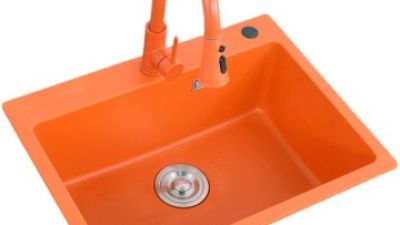
In recent years, the market demand for customizable sinks has surged, especially in luxury and high-end residential settings. Among these, the Hermes Orange sinks stand out due to their unique aesthetic appeal and functional design. Offering items such as the YG-2414 double bowl sink, manufacturers are leveraging materials like SUS304 stainless steel for durability and ease of maintenance. This combination not only enhances the sink’s lifespan but also caters to the modern consumer's desire for elegant yet practical kitchen solutions.
According to industry reports, the global kitchen sink market is projected to grow significantly, with a CAGR of 4.3% between 2021 and 2028. The increasing trend for customization in home interiors plays a pivotal role in this growth. Consumers are now looking for products that reflect their personal style, which is where customizable options, such as colored sinks with PVD technology, become essential. Features like integrated cutting boards and water filters also highlight the functionality required in contemporary kitchen designs, aiming to transform cooking spaces into multifunctional areas.
Moreover, manufacturers are equipped with advanced production technologies, enabling them to produce complex functional sinks while maintaining quality. They typically operate on a wholesale model, ensuring that buyers can receive substantial quantities—up to 3,500 pieces per day—while focusing on customer satisfaction and swift problem resolution. This efficiency, paired with a commitment to quality assurance, positions customizable sinks as a key player in the evolving landscape of kitchen products, appealing to both consumers’ aesthetic desires and practical needs.
FAQS
: Brass and stainless steel are durable and resist corrosion. Cheaper materials may lead to premature failure.
Single-handle faucets typically use less water than double-handle models. This can reduce your water bills over time.
A faucet with a flow rate of two gallons per minute or less is more water-efficient.
Yes, complex installations can increase labor costs. DIY might save money, but errors can be costly.
Visit multiple websites and use price comparison tools. Factor in shipping costs to avoid surprises.
Be cautious of very low prices. They may indicate poor quality. Check customer reviews for reliability.
Yes, holiday sales can provide significant savings, but ensure discounts are genuine and not inflated prices.
Regular inspections every few months are essential. Small leaks can waste water and increase bills.
Use a vinegar and water mixture to remove mineral buildup. Regular cleaning helps maintain efficiency.
If the handle is stiff or water pressure drops, consider replacing worn parts. Ignoring these signs can lead to bigger issues.
Conclusion
When selecting a sink faucet, understanding the essential factors is crucial for making a wise investment. Buyers should familiarize themselves with the various types of sink faucets available, as each option offers distinct features and benefits. To maximize savings, it's important to compare prices effectively and seek out the best deals online.
In addition to price considerations, durability and quality play significant roles in ensuring the longevity of your sink faucet. Buyers should look for key features that not only enhance functionality but also contribute to cost savings over time. Proper maintenance is equally essential, as it can extend the lifespan of your sink faucet and reduce future repair costs. By following these tips, global buyers can make informed decisions and enjoy a cost-effective sink faucet that meets their needs.