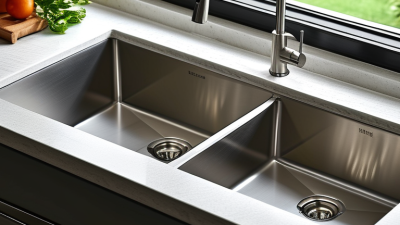
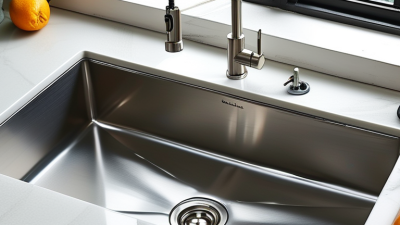
High-quality stainleSs Steel Sinks have become pretty much essential in today's kitchen setups. With more people craving durable and stylish options, importers really need to make smart choices. According to the latest Global Stainless Steel Sink Market Report, this industry is expected to grow by about 4.5% each year. Those numbers just highlight how important it is to pick the good stuff.
Now, sure, there are tons of options out there, but not all of them hit the mark, especially when it comes to professional standards. A decent Sink Should handle daily use without a hitch and last for quite a few years. Lots of manufacturers claim they’re the best, but beware—issues like rust spots or scratches can still pop up. That’s why it’s so important to check out quality certifications and read reviews from other users before making a call.
Picking the perfect high-quality stainless steel sink isn’t just about looks, either. You’ve got to think about how it works, too. It pays to compare brands and, if possible, hear what other folks are saying. And don’t forget—thinking about your own kitchen layout and what you really need is key to making a smart, satisfying purchase.
Understanding the Basics of Stainless Steel Sinks
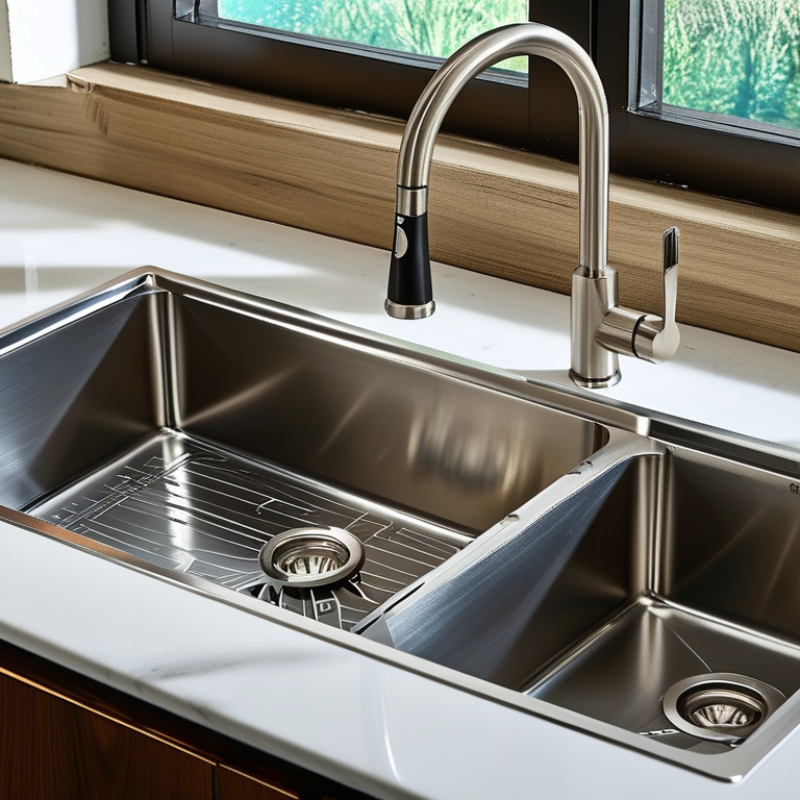
When choosing a stainless steel sink, understanding its basic components is essential. Stainless steel sinks vary in thickness. A gauge of 18 or lower typically offers better durability. A sink with a higher gauge is thinner and may dent or scratch more easily.
Another critical aspect is the finish. The brushed finish creates a modern look and hides scratches better than polished surfaces. Pay attention to the edge design too. A zero-radius edge provides a sleek, contemporary appeal, while a rounded edge offers a softer appearance.
Lastly, consider the installation style. Top-mount sinks are easy to install, but undermount sinks offer a seamless look. Both styles have their pros and cons, often depending on the countertop material. With varied options available, importers must carefully weigh all features against specific market needs. Understanding these basics can significantly enhance the quality of your selection process.
Key Features to Consider in High Quality Stainless Steel Sinks
When choosing a high-quality stainless steel sink, several features stand out. The gauge of the steel is crucial; lower numbers indicate thicker and more durable materials. Look for sinks made from 16 or 18-gauge stainless steel for optimal resistance to dents and scratches. Be wary of overly thin options, as they may warp or dent easily in everyday use.
Another important feature is the finish. A brushed finish can hide fingerprints and water spots, making maintenance easier. Polished sinks, while sleek, show marks more readily. It's wise to consider your cleaning habits when selecting the finish. Also, think about your sink's depth. A deeper sink, for instance, can prevent splashes and accommodate larger pots and dishes but may not fit in every cabinetry layout.
Tips: Always check for soundproofing features. Some sinks come with padding that reduces noise during use. Choosing a well-insulated sink can enhance your overall kitchen experience. Consider the design as well. A Sink High in style can elevate your kitchen's aesthetic. Matching the sink with your countertop materials can create a cohesive look.
High Quality Stainless Steel Sink Features Comparison
Material Grades and Their Impact on Sink Durability
When choosing a high-quality stainless steel sink, material grades significantly impact durability. The most common grades are 304 and 316. Grade 304 is popular for kitchen sinks due to its corrosion resistance. However, it may not hold up well in extremely acidic environments. On the other hand, grade 316 offers superior resistance to corrosion, especially around saltwater or harsh chemicals. It's essential to consider where the sink will be used and its exposure to various elements.
The thickness of the stainless steel also plays a crucial role. A thicker gauge, like 16 or 18, enhances strength and reduces the chances of denting. Flimsy materials can lead to frustration. A High Kitchen Sink should remain functional and visually appealing over time. Additionally, a brushed finish can obscure scratch marks. This can be a practical choice for many busy kitchens.
Importers need to assess the sink's suitability based on these grades and finishes. Without proper understanding, some might choose lower-grade materials, impacting durability. A sink that cannot endure daily use may require frequent replacements, increasing long-term costs. Recognizing these factors can lead to better decisions when selecting the perfect high kitchen sink.
Finishes and Styles: Choosing the Right Look for Your Kitchen
When selecting a stainless steel sink, finishes and styles greatly influence its overall look. A well-chosen finish can complement various kitchen designs, enhancing both aesthetics and functionality. According to a 2022 kitchen design report, stainless steel remains the most popular material, favored for its durability and sleek appearance.
Various finishes are available, including brushed, polished, and satin. Brushed finishes resist fingerprints, making them ideal for busy kitchens. Polished finishes offer a shiny surface but show water spots more easily. The choice of finish can significantly change the ambiance of your kitchen. Research indicates that 70% of homeowners regret not choosing a more practical finish for their sinks.
Styles such as farmhouse or undermount sinks can also influence your kitchen's character. Farmhouse sinks add a rustic charm, while undermount sinks create a seamless appearance that blends well with countertops. Unfortunately, not every style suits every kitchen design, leading to mismatched aesthetics. It's essential to evaluate your overall kitchen theme and personal taste. Balancing design preferences with practical needs is crucial for making the right decision.
Essential Sizing Guidelines for Stainless Steel Sinks
When selecting a stainless steel sink, size matters significantly. The right dimensions ensure a perfect fit in your kitchen or workspace. Measure your countertop space accurately before making a purchase. Remember to account for the sink’s depth. Sinks come in various depths, often ranging from 8 to 10 inches. A deeper sink can help accommodate larger pots and pans.
Consider the number of users and your cooking habits. If you frequently host gatherings, a larger sink might be beneficial. For smaller kitchens, a single-basin sink could save valuable space. Always check the cabinet layout as well, ensuring that plumbing won’t become an issue.
Tips: Always draft a layout plan before shopping. This visual reference will help clarify the best size options. Keep an eye out for clearance space around the sink for easy access and cleaning. Ensure that your selected sink complements your decor and functionality needs. A well-sized sink enhances both practicality and aesthetics in your kitchen.
Comparing Pricing Strategies for Global Importers
When considering pricing strategies for importing high quality stainless steel sinks, various factors should be analyzed. Understand the target market's preferences. Are customers willing to pay more for durability? This insight can guide pricing decisions.
Transparent pricing is crucial. It builds trust with importers and consumers alike. Providing a breakdown of costs from material to shipping can enhance credibility. It also aids negotiation. Importers can justify higher prices based on quality features.
Tip: Always research local competitors. Know their pricing and quality range. This can help position your products effectively.
Be mindful of fluctuating material costs. They can impact your profit margins. Keeping tabs on market trends ensures you can adjust prices when necessary. Flexibility is key.
Tip: Use tools to monitor steel prices. This will help in forecasting expenses. Setting prices too rigidly may backfire if costs rise unexpectedly.
Lastly, never overlook customer feedback. It offers insights into whether your price aligns with perceived value. Importers must adapt based on this feedback to remain competitive. Be open to refining your approach regularly.
Tips for Evaluating Manufacturers and Suppliers in the Industry
When evaluating manufacturers and suppliers in the Stainless Steel Sink industry, several important factors should be considered. Start by checking their experience in the market. A supplier with a long track record may indicate reliability. Look for certifications and quality standards. This demonstrates their commitment to producing high-quality products.
Next, assess their production capabilities. Are they equipped with modern technology? Can they handle large orders efficiently? Visit the manufacturing facility if possible. This gives insight into their operations and quality control processes. Observe the materials used for production. Premium stainless steel is essential for durability.
Communication is key in supplier relationships. Check how responsive they are to inquiries. This can reflect their overall customer service quality. Request samples of their stainless steel sinks. Analyze the quality firsthand. Imperfections may not be obvious in images. Pay attention to any inconsistencies, as these can indicate potential issues in mass production. Remember, the goal is to find a trustworthy partner for your sourcing needs.
The Versatility and Durability of Stainless Steel Sinks for Kitchen, Bathroom, and Office Spaces
Stainless steel sinks have emerged as a premier choice for various spaces, including kitchens, bathrooms, and offices, due to their exceptional versatility and durability. The SUS304 stainless steel sink, with item number YG-2411, exemplifies these qualities, offering a surface that is not only easy to maintain but also resilient against wear and tear. Its double bowl design provides ample space for washing and soaking different types of tableware simultaneously, enhancing efficiency in busy environments.
Customization options allow for a sink that meets specific space requirements, with the ability to produce functional accessories such as cutting boards, water filters, and faucets that seamlessly integrate into the design. The integration of PVD technology enables the creation of colored sinks, providing further aesthetic options without compromising on the durability expected from stainless steel. With advanced production capabilities and a dedicated team of professionals, the design of complex functional sinks is possible, catering to unique customer needs.
Installation is adaptable, with choices including under-counter, top-mounted, or embedded models, ensuring that every sink can fit effortlessly into its designated space. This flexibility is bolstered by a comprehensive quality assurance system that pays attention to every detail, guaranteeing a product that meets high standards. Furthermore, with a production capacity of 3,500 units per day and a commitment to prompt delivery, these stainless steel sinks are an excellent choice for those looking to elevate their spaces while ensuring a reliable and satisfying customer experience.
FAQS
: Look at the gauge thickness, finish type, edge design, and installation style.
A gauge of 18 or lower is best for durability. Higher gauges may dent easily.
Brushed finishes hide fingerprints better than polished finishes, which show spots easily.
Popular styles include undermount and farmhouse sinks, which influence kitchen aesthetics differently.
Experience and certifications indicate reliability and product quality, essential for good sourcing.
Request samples and check for imperfections. Observing production methods is helpful too.
Many homeowners regret not choosing a practical finish that suits their kitchen needs.
Undermount sinks provide a seamless look that blends well with countertops.
A zero-radius edge looks modern, while a rounded edge offers a softer, traditional look.
Yes, responsive communication reflects the supplier's customer service quality and reliability.
Conclusion
The article "High Quality Stainless Steel Sink Buying Guide for Global Importers" offers a comprehensive overview for buyers looking to invest in stainless steel sinks. It begins by explaining the fundamental aspects of stainless steel sinks and emphasizes key features that define high-quality options, such as durability, design, and functionality. The guide highlights the significance of material grades on sink longevity and presents various finishes and styles to enhance kitchen aesthetics.
Additionally, the article outlines essential sizing guidelines to ensure the sink fits well within kitchen spaces while also discussing pricing strategies relevant for global importers. Finally, it provides valuable tips for evaluating manufacturers and suppliers, ensuring that buyers can make informed decisions when sourcing high quality stainless steel sinks. This guide serves as a vital resource for importers aiming to navigate the complexities of the stainless steel sink market.