As kitchens keep evolving, figuring out the right kitchen sink really can’t be overstated. I was chatting with John Davis, a well-known kitchen design pro over at Sink Solutions, and he pointed out something pretty spot-on: "A good kitchen sink can totally change how functional your Kitchen Feels." That just goes to show, the sink isn’t just a small detail—it’s a key player in our daily routines.
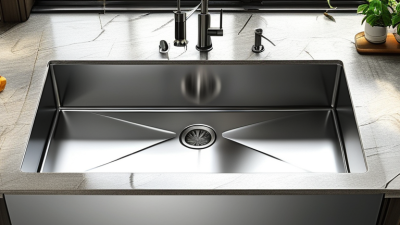
Nowadays, there’s such a huge variety of styles and features out there, and folks around the world are searching for that sweet spot between stylish design and practical use. The Kitchen Sink Kitchen Sinkmarket is pretty diverse, offering everything from classic stainless steel to some pretty innovative composite materials. People have different needs too—some are after large single-Bowl Sinks that handle big cooking jobs, while others prefer double bowls for multitasking and convenience.
Of course, with so many options out there, it can feel pretty overwhelming. Many buyers end up frustrated, trying to figure out what material or style actually makes sense for them. As trends change, the choice of a kitchen sink isn’t just about looks— it seriously impacts how you go about your daily chores. So, taking a moment to think about what really works for your lifestyle is essential. It might not always be easy, but choosing wisely is so worth it. A good pick can actually make your kitchen a more enjoyable and efficient space—one of the most important spots in your home, after all.
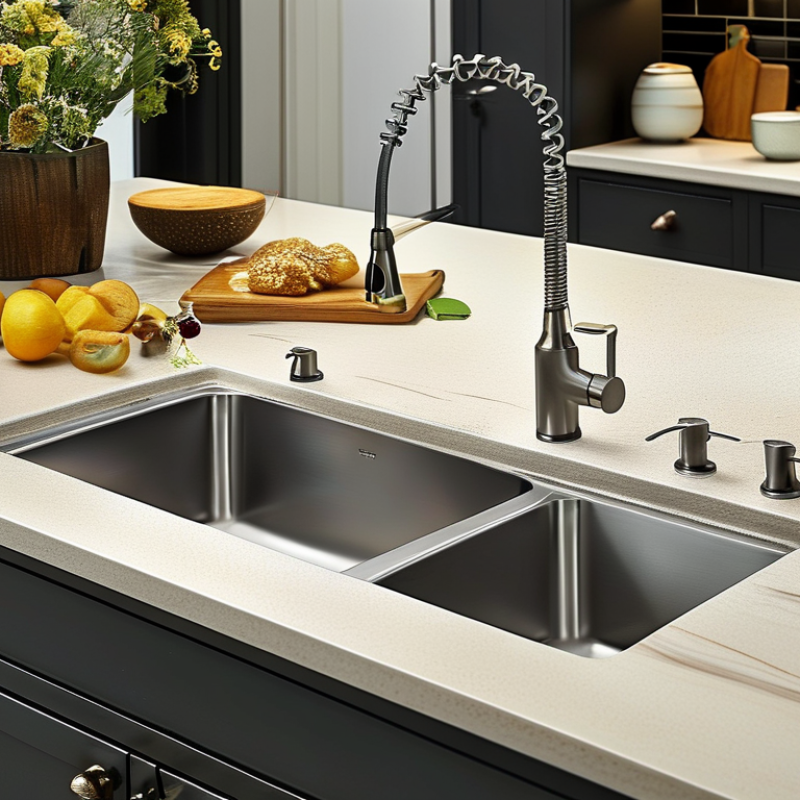
Trends in Kitchen Sink Design for 2026
As global tastes evolve, kitchen sink design in 2026 is set to reflect a blend of functionality and aesthetics. Many buyers seek versatile sink solutions that cater to varying kitchen needs. The trend leans toward integrated features, such as built-in cutting boards and colanders. These additions enhance efficiency, promoting a seamless cooking experience.
Materials play a critical role in modern design. Stainless steel remains a favorite, valued for its durability and low maintenance. However, eco-friendly options like recycled composites are gaining traction. These materials sometimes struggle with durability, raising questions about their longevity. Buyers often face a dilemma: balancing sustainability with practicality.
Color trends are shifting as well. While whites and grays dominate, bold hues are emerging. A vibrant blue or green sink can serve as a captivating focal point. Yet, bold colors may limit future design choices. The risk of clashing with changing kitchen styles looms large. Buyers need to consider these factors carefully when selecting their ideal Sink Kitchen Sink for 2026.
Material Innovations in Kitchen Sinks: What to Expect
In 2026, kitchen sink designs are set to embrace innovative materials. Traditional stainless steel and porcelain will still be popular, but newer composites are emerging. These materials are lightweight, durable, and offer unique aesthetics. Manufacturers are experimenting with stone resins and recycled materials, making kitchen sinks more sustainable.
One intriguing trend is the use of antimicrobial coatings. These coatings help reduce bacteria buildup, promoting kitchen hygiene. It’s a practical solution, but it’s essential to remember that no surface is entirely self-cleaning. Regular maintenance is still necessary for a truly clean kitchen sink.
Additionally, customization options are expanding. Homeowners can choose colors, textures, and finishes that match their style. However, not every material will maintain its appearance over time. Some may scratch or stain more easily than promised. As buyers explore these innovations, understanding their choices becomes crucial for long-term satisfaction with their kitchen sink.
Top Functional Features in Kitchen Sinks for Global Buyers
When choosing kitchen sinks, functional features play a pivotal role for global buyers. In 2026, buyers prioritize durability and versatility. Reports indicate that over 80% of consumers seek materials that resist scratches and stains. Materials like stainless steel and composite stone have proven effective. These materials maintain their appearance over time, enhancing their appeal.
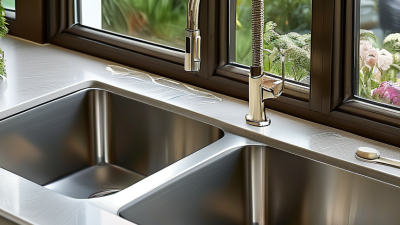
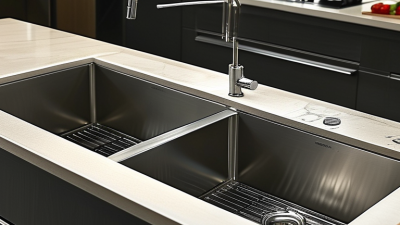
Another essential feature is the configuration of the sink. Many homeowners gravitate toward the Double Sink Kitchen Sink design. This option supports multitasking, allowing users to separate food prep from dishwashing. Data shows that about 70% of buyers prefer this layout for efficiency. Additionally, deep sinks are gaining popularity. They provide ample space for large pots and pans, minimizing splashes and mess.
While aesthetic factors matter, functionality must not take a back seat. Some designs may clash with cabinetry styles or user habits. Compatibility can limit the practical use of a sink. A sink's depth and size should suit your kitchen needs. Many buyers overlook this aspect, leading to less-than-ideal purchases. Thoughtful selection of functional features ensures a satisfying culinary experience.
Style Preferences: Aesthetic Choices in 2026 Kitchen Sinks
As we approach 2026, the trend in kitchen sinks reflects evolving aesthetic preferences among global buyers. A report by the National Kitchen & Bath Association indicated that 44% of homeowners prioritize design over functionality when selecting sinks. This shift signifies a growing desire for sinks that align with personal style.
In 2026, popular styles include farmhouse, modern minimalism, and vintage-inspired designs. Farmhouse sinks, with their spacious basins, are favored for their rustic charm. However, they may require more effort to clean. Modern minimalism emphasizes sleek lines and integrated features, appealing to those who prefer a contemporary look. Yet, this style can sometimes feel impersonal, lacking warmth.
Tip: When choosing a sink, consider the overall kitchen theme. It should harmonize with cabinets and countertops. Also, assess how the sink's material can affect your kitchen's ambiance. Stainless steel is durable but may not convey the warmth of ceramic options. Remember, your kitchen sink is both a functional tool and a design statement.
Top 10 Kitchen Sinks for Global Buyers in 2026
Eco-Friendly Kitchen Sinks: Sustainability Trends for Buyers
Sustainability is more than a trend; it's a necessity. Eco-friendly kitchen sinks are at the forefront of this movement. Buyers in 2026 will prioritize materials that reduce environmental impact. Many modern sinks use recycled materials. This approach minimizes waste and conserves resources.
Design also plays an essential role in eco-friendly choices. Sinks that incorporate smart features can save water. For example, touchless faucets reduce the amount of water wasted. However, choosing sustainable products can still be overwhelming. The options vary widely, which can cause confusion for consumers. Understanding the materials used is crucial.
Not all eco-friendly sinks are perfect. Some may lack the durability of traditional materials. This raises questions about longevity and performance. Consumers may need to weigh initial costs against long-term savings. Are the eco-friendly choices truly worth it? Buyers must feel confident in their selections while remaining open to new technologies and designs.
Comparative Analysis of Price Ranges for Leading Sink Brands
When considering kitchen sinks for 2026, the price range is a crucial factor for global buyers. Research indicates that prices can vary widely based on materials and design. For instance, stainless steel options typically range from $150 to $600. Meanwhile, composite sinks may cost between $250 and $800. This broad range can be confusing. Consumers often struggle to find the perfect balance between quality and affordability.
Market analysis suggests that consumers are drawn to specific features when selecting sinks. Durable finishes, noise reduction technology, and innovative designs can drive up prices. A report from Kitchen Trends 2023 highlighted a 20% increase in sink sales, as homeowners prioritize aesthetics alongside functionality. However, this trend raises questions about value versus expense. Are buyers adequately educated on what each price point offers?
More expensive sinks may come with brand prestige, but do they mean better performance? Recent reviews show that some lower-priced models outperform their pricier counterparts in terms of strength and ease of maintenance. Buyers should reflect on their needs and preferences without being swayed solely by brand names or luxury pricing. This introspection can lead to more satisfying purchases.
Global Market Insights: Regional Preferences in Kitchen Sinks
In 2026, the global market for kitchen sinks will show various regional preferences. A report by Grand View Research indicates that North America will maintain a strong demand for Kitchen Sink Double Sink models, driven by large kitchen spaces and a growing trend for multifunctional designs. Consumers in this region prioritize durability and aesthetics, often opting for stainless steel and composite materials that offer both strength and style.
In contrast, the Asia-Pacific region exhibits unique preferences. A recent analysis from Statista highlights a significant shift towards more compact designs, catering to smaller urban kitchens. Many buyers are seeking sinks that save space while providing functionality. A notable trend is the increasing popularity of single-basin models that maximize usability. However, the diverse preferences across cultures also bring challenges to manufacturers, as they must balance quality and cost-effectiveness.
European markets display a mixture of trends, focusing on both traditional and modern designs. Many European consumers prefer minimalistic aesthetics, with an inclining interest in eco-friendly materials. The local market is also showing a revival for artisanal sinks, reflecting a desire for uniqueness. Yet, this emphasis on personalization can lead to inconsistent supply chains, pointing to areas requiring reflection.
Exploring Consumer Preferences: The Rise of Customizable Yellow Sinks in Kitchen and Bathroom Designs
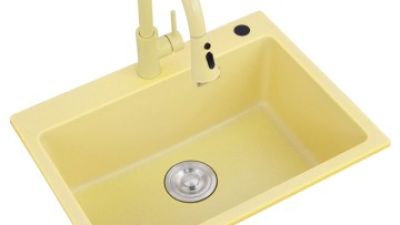
The trend of customizable sinks, particularly in vibrant yellow hues, is transforming kitchen and bathroom designs. With the growing demand for personalization, consumers are increasingly seeking unique features that resonate with their individual styles and functional needs. Among the options available, sinks crafted from high-quality SUS304 stainless steel stand out due to their durability and ease of maintenance. The ability for consumers to tailor the dimensions and style of their sinks ensures that their investment meets specific spatial and aesthetic requirements.
One standout model is the double bowl sink, designed to facilitate the washing and soaking of various tableware simultaneously. This functionality is enhanced with integrated accessories such as cutting boards and water filters, providing a comprehensive solution for modern kitchen tasks. Additionally, the option to incorporate PVD coloring allows homeowners to express their creativity, making the yellow sink not only a practical element but also a bold design statement. The versatility in installation methods—including under-counter, top-mounted, or embedded—further enables customization, catering to different preferences and layouts.
Manufacturers are equipped with advanced production technologies and skilled professionals to produce complex functional sinks that address diverse consumer demands. With a robust quality assurance process, every detail is meticulously crafted, promising reliability and satisfaction. Fast wholesale options support consumers looking for substantial quantities, while a commitment to excellent after-sales service ensures that customer concerns are addressed promptly. As customizable sinks gain traction, they capture the essence of modern design, merging function with personal expression in home aesthetics.
FAQS
: Kitchen sinks will still use stainless steel and porcelain, but newer composites are emerging. These offer lightweight, durability, and aesthetic appeal.
Antimicrobial coatings help reduce bacteria buildup, promoting hygiene. However, remember, regular cleaning is still essential for maintenance.
Homeowners can choose colors, textures, and finishes. However, some materials may not maintain their appearance over time and may scratch.
Popular styles include farmhouse, modern minimalism, and vintage-inspired designs. Each has unique features, appealing to different aesthetic preferences.
Farmhouse sinks are favored for their spacious basins and rustic charm. However, they may require more cleaning effort, which is a trade-off.
The Asia-Pacific region prefers compact designs that save space. Single-basin models are becoming more popular for their enhanced usability.
European markets display a mix of traditional and modern designs. There is a growing interest in eco-friendly materials and artisanal uniqueness.
Consider the overall kitchen theme and how the sink harmonizes with cabinets and countertops. Think about material effects on ambiance.
Some new materials may scratch or stain easily. Reflect on long-term satisfaction with your choices before purchasing.
Diverse preferences create challenges for manufacturers in balancing quality and cost-effectiveness, pointing to areas needing careful consideration.
Conclusion
As we look ahead to 2026, the trends in kitchen sink design are set to evolve significantly, driven by innovations in materials and functionality. Buyers can expect to see a range of new materials that enhance durability and aesthetics, alongside top functional features designed to maximize utility in modern kitchens. Style preferences are also shifting, with a focus on aesthetic choices that harmonize with diverse interior designs.
Sustainability is at the forefront of consumer concerns, leading to the rise of eco-friendly kitchen sinks that prioritize environmental impact. A comparative analysis reveals varying price ranges, highlighting the importance of value in the decision-making process for global buyers. Understanding regional preferences is crucial, as these insights will shape the offerings in the market. Ultimately, the kitchen sink plays a pivotal role in kitchen design, blending function and style while embracing sustainable practices for the future.