By 2026, picking out the right kitchen Sink Faucet is more important than ever. Thanks to all the cool innovations in design and tech, even a basic faucet can totally boost both how your kitchen looks and how well it functions. Whether you’re sprucing up an existing space or starting fresh with a new one, knowing what to look for is super helpful. A good [Kitchen Faucet](https://www.yigengsinks.com/faucet-kitchen-faucet) can make everyday tasks easier and make cooking a lot more enjoyable.
So many people overlook the small details that actually matter. For example, the finish of your faucet isn’t just about looks — it also affects how easy it is to keep clean and maintain. A tough, durable material will hold up better over time, saving you headaches and a lot of scrubbing. And don’t forget to think about your household needs. If you've got a big family, you might want a more versatile faucet than if it’s just you living alone.
Of course, quality is key, but budget-wise, it’s not always about buying the most expensive thing out there. Sometimes, pricier faucets aren’t necessarily better or last longer. A little research based on your own experiences, checking out trusted brands, and reading reviews from other users can really help point you in the right direction. The truth is, every person’s situation is different, so weigh your options and don’t hesitate to ask for advice — you’ll find what works best for you.
Top 10 Sink Faucet Tips for Buyers in 2026
When selecting a Kitchen Faucet in 2026, consider your needs carefully. Studies show that 72% of consumers prioritize functionality over aesthetics. A practical design ensures ease of use. Look for models with a pull-down sprayer, which offers versatility. This feature allows for better reach and control. Sleek designs may attract buyers, but functionality remains key.
Materials play a crucial role in faucet durability. Brass and stainless steel are top choices. They resist corrosion and extend the life of your kitchen faucet. Data indicates that faucets made from higher-quality materials last up to 15 years longer. Many buyers overlook maintenance needs. Regular cleaning and minor repairs can keep your kitchen faucet functioning optimally.
Water efficiency is another important consideration. The EPA estimates that low-flow faucets can save households over 700 gallons of water annually. Choosing an eco-friendly model not only benefits the environment but also reduces utility bills. Timing can impact choices too. Sales often peak in spring, but waiting for off-season promotions could save you money.
Understanding the Importance of Faucet Material Durability and Trends
Choosing the right material for sink faucets is crucial. Durability directly impacts longevity. From stainless steel to ceramic, options vary greatly in resilience. Stainless steel is known for its toughness. It resists rust and corrosion over time. This often makes it a go-to choice for busy kitchens.
Trends in faucet materials are also evolving. Many buyers now favor eco-friendly options. Materials like recycled metals are gaining popularity. They offer both durability and sustainability. However, not all eco-friendly choices are equally robust. Some might wear down faster than traditional materials. It's essential to weigh your options carefully.
In 2026, aesthetic appeal will also drive material choice. Buyers seek faucets that blend style and function. A sleek design might attract buyers, but it shouldn’t sacrifice quality. Durability must remain a top priority. Selecting a faucet involves a balance between trends and long-term performance.
How to Select the Right Valve Type for Optimal Water Flow Management
When selecting a sink faucet, understanding the valve type is crucial. Valve types include compression, cartridge, ball, and ceramic disc. Each offers different water flow management. Compression faucets are affordable but may wear out quickly. Cartridge faucets are easy to install but aren't as durable. Ball faucets provide smooth operation, while ceramic disc faucets excel in durability.
To manage water flow effectively, consider your usage patterns. If you frequently need hot water, a faucet with a ceramic disc valve is ideal. It ensures steady temperature control. For busy kitchens, a ball valve may offer quick adjustments with minimal effort. Reflect on how often you use your faucet. If it’s a daily fixture, invest in quality.
Remember to evaluate your cooking space regularly. A well-functioning kitchen faucet impacts your cooking efficiency. Ensure your chosen faucet balances style with functionality. A simple design can enhance your kitchen aesthetics while performing effectively. Prioritize durability and maintenance ease in your decision to prevent frequent replacements. Always choose with care for the best home experience.
Evaluating Eco-Friendly Options: Water-Saving Faucets and Their Benefits
When considering a sink faucet, eco-friendly options are essential. Water-saving faucets are designed to reduce flow without sacrificing performance. These models often feature aerators that mix air with water. This technology helps you conserve water, which is crucial in today’s climate.
Many homeowners overlook the potential savings. Installing a water-efficient faucet can cut water consumption by up to 30%. Over time, this not only benefits the environment but also lowers your utility bills. However, not all faucets are created equal. Some may look sleek but might not perform as well.
Pay attention to certification labels. Look for the WaterSense label that indicates tested efficiency. Some models may look attractive but offer subpar water flow rates. This is where research pays off. Are you choosing style over substance? Balancing aesthetics with practicality is key. Ultimately, an informed decision can lead to a sustainable choice.
Top 10 Sink Faucet Tips for Buyers in 2026
| Feature | Description | Water Savings (%) | Eco-Friendly Material | Estimated Price ($) |
| Aerators | Devices that mix air into the water stream to reduce flow. | 30 | Recycled Plastic | 50 |
| Smart Faucets | Faucets with touchless technology to optimize water use. | 40 | Sustainable Metal | 120 |
| Low-Flow Faucets | Designed to use less water without sacrificing performance. | 20 | Bamboo Composite | 75 |
| Pressure-Reducing Valves | Regulates water pressure to conserve water. | 15 | Recyclable Materials | 90 |
| Multi-Functional Faucets | Faucets that offer various spray settings. | 25 | Recycled Metal | 110 |
| Pull-Down Sprays | Convenient for rinsing and washing dishes. | 35 | Natural Composites | 85 |
| Temperature Control Faucets | Allows for precise temperature adjustments, reducing waste. | 20 | Eco-Plastics | 100 |
| Filter Faucets | Faucets that include built-in water filters. | 30 | Stainless Steel | 130 |
| Durable Finishes | Finishes that resist tarnishing and corrosion. | None | Eco-Friendly Coating | 95 |
The Role of Faucet Height and Reach in Kitchen and Bathroom Design
When selecting a sink faucet, height and reach can greatly influence your kitchen or bathroom design. According to a recent industry report, the average kitchen faucet height is about 15-18 inches. This height allows for accommodating larger pots and pans. Conversely, bathroom faucets often range from 5-8 inches in height. This difference is crucial, as it affects not only functionality but also ergonomics in daily use.
Reach is another vital factor. The ideal faucet reach can vary based on sink size and user preference. A general guideline suggests a reach of 8-10 inches for kitchen faucets. In bathrooms, a shorter reach works better, often around 4-6 inches. Miscalculating these dimensions can lead to usability issues. For instance, an excessively high faucet can splash water out of the sink, creating mess and frustration. Additionally, an inappropriate reach can make it difficult to fill containers comfortably.
In choosing the right faucet, consider your daily activities. Do you frequently wash large items? Opt for a taller faucet with greater reach. In contrast, for smaller wash tasks, a compact bathroom faucet suffices. Data from a recent design study indicates that 70% of users prefer faucets that match their sink's proportions perfectly. Balancing aesthetics and functionality is key, but many homeowners still grapple with these choices. Reflecting on your space will help in finding the right height and reach for your faucet needs.
Identifying the Best Finishes: Aesthetic and Maintenance Considerations
When choosing a Sink Faucet, the finish can significantly impact both aesthetics and maintenance. Different finishes have unique qualities that affect their appearance and durability. For instance, chrome is sleek and bright but requires frequent cleaning to remove water spots. On the other hand, matte black offers a contemporary look but can show dust and fingerprints easily.
Consider the long-term upkeep of your selection. Finishes like brushed nickel resist fingerprints better but may still need occasional polishing. Some materials, such as stainless steel, are more resilient to wear. However, the trade-off can be a more industrial appearance.
Think about how the faucet will fit into your kitchen or bathroom’s overall design. It’s crucial to balance beauty with function. Choosing a stunning sink faucet is exciting, but it's also important to be realistic about how wear changes its look over time. Maintenance is key to keeping any finish looking pristine, so weigh your options carefully.
Top 10 Sink Faucet Tips for Buyers in 2026
Smart Faucet Technologies: Features to Look for in 2026 Models
Smart faucet technologies are rapidly advancing, transforming kitchens and bathrooms in 2026. Users now seek features that enhance convenience and efficiency. One significant trend is voice activation, a feature that has seen a 30% increase in demand according to industry reports. This technology allows users to control water flow and temperature hands-free, which is particularly valuable when cooking or washing dishes.
Another important aspect is water conservation. With rising concerns over climate change, faucets equipped with smart sensors to detect user needs are increasingly popular. These faucets can reduce water usage by up to 50%. Reports indicate that homes implementing these devices can save as much as 10,000 gallons of water annually. Customers want functionality that directly impacts sustainability and utility bills.
Nevertheless, some users report frustration with complex interfaces and connectivity issues. Many smart faucets rely on stable Wi-Fi connections, which can be unreliable. This raises questions about their reliability in high-demand situations, like family meals. Customer feedback highlights the need for easier control options alongside advanced technologies. As manufacturers refine their products, a balance between innovation and user experience becomes essential.
Budgeting for Quality: What to Expect for Price Ranges on Faucets
When budgeting for a new sink faucet, understanding price ranges is crucial. Typically, faucets can range from $50 to over $500 depending on the materials, technology, and design. According to the National Kitchen and Bath Association, quality faucets can significantly impact the overall budget of a kitchen remodel. Knowing what to expect in terms of costs will help you make informed decisions.
Consider your requirements. A basic sink faucet may cost around $70. However, models with advanced features may exceed $300. Look for finishes that resist corrosion and scratches, as these may cost a bit more but save money in the long run.
When selecting a faucet, follow these tips: Look for certifications such as WaterSense. This indicates water efficiency without sacrificing performance. Remember, a cheaper option might compromise durability. Weigh the long-term benefits against the upfront costs. Additionally, investing in quality fixtures can enhance the value of your home. Be aware that design choices play a role in pricing; some stylish faucets may not offer the best functionality. Prioritize what matters most to you in terms of performance and durability, rather than just style.
Exploring the Benefits and Features of SUS304 Stainless Steel Straight Drink Single Cold Faucet for Kitchen Water Purification
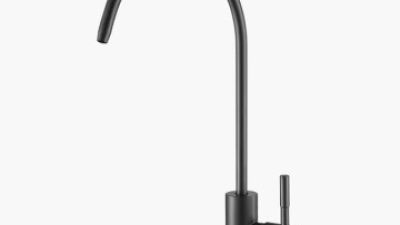
The SUS304 stainless steel straight drink single cold faucet is an exceptional choice for kitchen water purification, showcasing a blend of functionality and aesthetic appeal. Crafted from high-quality 304 stainless steel, this faucet not only ensures durability and resistance to corrosion but also contributes to a sustainable environment with its lead-free treatment gas feature. The integrated forming process used in its design enhances its strength and integrity, making it a reliable addition to any modern kitchen.
In addition to its robust construction, the faucet features a sleek black surface that is not only visually striking but also designed to withstand high temperatures, thanks to the advanced baking paint technique. This surface enhances the faucet's longevity and helps maintain its pristine appearance. Moreover, the ceramic spool used in the mechanism ensures smooth operation and minimizes the likelihood of leaks, offering peace of mind alongside a beautiful water fixture. A perfect fusion of practicality and elegance, this faucet is an ideal investment for anyone looking to elevate their kitchen's functionality while maintaining a stylish aesthetic.
FAQS
: Common materials include stainless steel, ceramic, and eco-friendly recycled metals. Each has different durability levels.
Durability impacts longevity. A tougher material resists wear and tear, making it ideal for busy kitchens.
Recycled metals are popular. They offer sustainability but may not always match traditional materials in durability.
Valve types like compression and ceramic disc manage flow differently. Choose based on how you use your faucet.
The average kitchen faucet height is 15-18 inches. This height accommodates larger pots and pans comfortably.
An ideal reach for kitchen faucets is about 8-10 inches. Miscalculating can lead to usability issues, like splashing.
Your daily tasks influence the best faucet features. For large items, a taller faucet is beneficial; smaller tasks may need compact designs.
Yes, aesthetics and functionality need balance. A good design enhances kitchen appeal while ensuring usability.
Reflect on your space and needs. Regular evaluation helps prevent poor choices and enhances your overall experience.
Think about sink size and user preferences. Incorrect height or reach can cause frustration in daily usage.
Conclusion
In 2026, selecting the perfect sink faucet requires careful consideration of several essential factors. Buyers should prioritize material durability and emerging trends to ensure longevity and style. Understanding the appropriate valve type is crucial for managing water flow efficiently, while eco-friendly options, such as water-saving faucets, can significantly contribute to sustainability efforts. Additionally, the height and reach of the faucet play a vital role in enhancing kitchen and bathroom designs.
Aesthetics and maintenance are also important; selecting the best finishes can impact both the look and upkeep of the sink faucet. As technology advances, consumers should explore smart faucet features that improve usability and convenience. Lastly, setting a realistic budget while being aware of the price ranges for quality faucets will help buyers make informed decisions for their homes.